How to Conduct an Interview

1. Before the interview

a) Get your phone up and working and install Smart Voice Recording app.
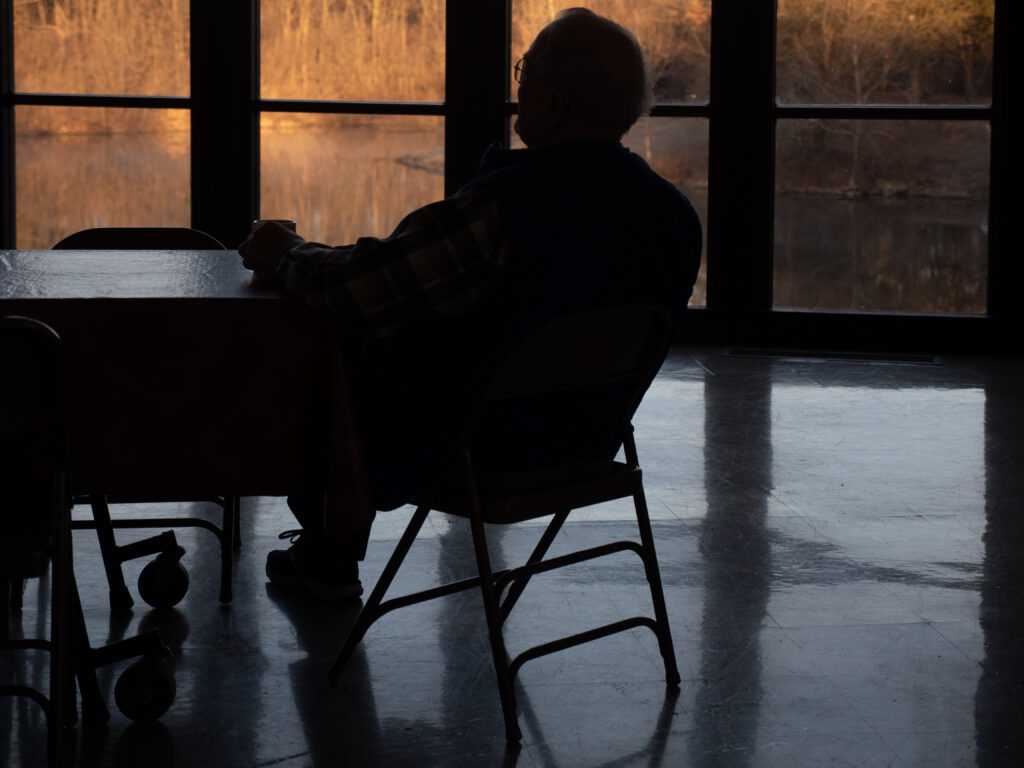
b) Arrange a time and place to meet the one to be interviewed- choose a time when the person being interviewed is most awake/alert if they are elderly
c) Make sure you arrive on time or slightly early
d) Test the phone, microphone, and the camera using your own voice (practice testing)
e) Make sure you open Voice recorder app on phone and then choose under setting WAV.
f) Take a recording and then play it back, so you can determine how close you need to be to get a good clear recording. Older people often speak softly, so make sure you can hear their voice before you start taping the interview.

2. Set up apparatus

a) Find a location where it will be least noisy. Avoid windy places, places that echo (empty buildings or ones with high ceilings), or places next to traffic or other noises. Or turn off all other cell phones in the room during taping.
b) Turn phone on the airplane mode to cut down distracting noises.
c) Set up the tripod so the phone is in a secure place. It should be not more than 6 feet
away from the person being interviewed. Make sure the microphone is facing the person being interviewed.
d) Attach microphone to shirt/collar of person to be interviewed.
e) Make sure there is no phone case, fingers, etc blocking the mic.
f) Do a 1 minute or less practice to make sure it is catching the sound before interviewing.
g) Take a photo of the person before taping.

3. Recording

a) Start the recording by indicating:

  • It’s (month)(date_)___/(year)_ and we are located in
    the town/ village/ YM . This is (Your name)_ and I am here with (interviewee’s name) as part of the
    Oral history project for World Quaker Day. (Which language are you speaking?)
  • Use the questions on back of sheet, but add follow up questions for information that would be especially interesting for used in Sunday School story telling.

4. End of Interview

a) Take a photo of the person (often they will be more relaxed and smiling afterwards)
b) Thank the one being interviewed plus any family members who assisted.
c) Disinfect the phone after the interview
d) Wash your hands.
e) Check the photo taken and Play back part of the interview

QUESTIONS TO ASK

Personal information:
Where were you born? Or where did you spend your childhood?
Did you attend any Quaker schools? What difference did it make to your life? Challenges faced when you were young?

History of Friends in your area:
Who was the earliest Quaker in your area or village? (or the first people to become Quakers in your area).
Which Quakers were your mentors? Describe why. How were the earliest Quakers in your area different from people from other churches/faiths ? How were they different from Quakers today?
What can we learn from the earliest Quakers in your region?
Leadings and challenges of being a Quaker:
How and where did you become a Friend?
Can you describe any callings or leadings you have had in ministry?
What challenges have you meet while being an adult Quaker or as a woman Quaker?
What are the most serious challenges of being a Quaker today?
How has Quakerism changed your life?


Joys of being a Quaker:
What has been the best thing about being a Quaker? How has it helped you?
Being a Quaker as a child:
If you have been a Quaker from childhood,
a) Describe what it was like to grow up in a Quaker home. How was it different from being brought up in another church?
b) Describe what you remember most about any Sunday school as a child.
c) What did Quakers offer to you as a child?
d) How did you find your wife/husband?

Message you have for future Friends:
What message would you like to give to young Friends today or to your grandchildren?

CREDITS: FWCC Section of the Americas is deeply grateful to the Quaker Religious Education Collaborative-Africa which developed this very useful guide to interviews which we have adopted for World Quaker Day 2021. May God continue to bless their ministry. https://quakerrecollaborative.org/
COVID PRECAUTIONS- wash your hands before you start- don’t touch your face.
Only one person should be using the phone- disinfect between users.
Maintain a safe distance. If the interviewee is ill, postpone the interview until they are better.

Hurricane Relief Efforts

The impacts from hurricanes ETA and IOTA continue to affect our Central American neighbors, particularly in Nicaragua, Honduras, and Guatemala. Friends locally have been very active in relief efforts, though they are limited by funds.

FWCC has been raising money to pass along to the Yearly Meetings doing this on-the-ground work. As of mid-January, FWCC has raised over $4,500 for Friends in Central America, in addition to other ongoing fundraising efforts in the United States. We are extremely grateful for those of you who have felt able to support this work!

We continue to pray for those in Nicaragua, Honduras and Guatemala who are are still suffering. May God also sustain our brothers and sisters who continue to bring aid and assistance to those in need. More detail about the relief efforts is as follows:

In Guatemala

Embajadores (Ambassadors) Friends Monthly Meeting in Chiquimula and Friend Elder Morales (a current member of the Section’s Finance Committee) have been assisting a group of families, most of whom are Quakers.
The Chaplain Team of Holiness Yearly Meeting of Friends is working with Friends from the National Yearly Meeting to bring food, clothing, mattresses, etc. to families in need.
Shalom Jireh (NGO) and FM Vida: This is a well established ministry including a radio station that has been organizing the purchase and distribution of articles for the victims. They work through a network of local church leaders and transportation volunteers who have been working to organize a fair distribution of food, clothing, etc. to at least 200 families.
Junta Nacional Amigos: This national yearly meeting is working through its regional superintendents at two points in the most affected zone.

In Honduras

Junta Nacional Amigos de Honduras: YM president Arody Ruiz and the pastoral teams in District 8 are located in the most affected zone of Honduras and have been working tirelessly. At the beginning of December they placed an order for new beds to be manufactured, to provide along with other needs.
Hno. Bernabé and Maria Felix Sánchez: (Pastors, First Friends Church, Santa Rosa de Copan) These Friends have been working on providing stoves and work tools so that people can continue their basic tasks, cook their own food and begin to earn money again.

In Nicaragua

We are receiving news of the victims in Nicaragua via El Salvador Yearly Meeting, which includes one of the Salvadoran missionary families, Doris Guardado (former FWCC Regional Coordinator) and Alcides Mejia, who continue ministering to their neighbors, despite the storm and looting damage to their home.

If you are able to give financially to support this ongoing work, you can send a check made out to FWCC Americas with Central American Disaster Relief in the memo. To make an immediate online donation, click here and choose Central American Disaster Relief.

Planning Online Annual Sessions: Ideas and Resources

Advice from those who have been there!

Kat Griffith and Becky Marty, co-clerks of Northern Yearly Meeting shared this reflection, Toward a Friendly Zoom Liturgy. Thinking somewhat liturgically about our sessions brings out some of the rhythm, richness and depth of our time together. Here are some elements that we included (and a couple that in hindsight we should have). Note that our comments focus mainly on business sessions, but that opportunities abound to build in “liturgy” in other aspects of an annual session.

David Coletta of New England Yearly Meeting created and shared Best Practices for Large Online Quaker Meetings for Business, outlining some of what NEYM’s annual sessions tech team learned about how to prepare and organize the clerks’ team, the supporting tech team, and the participants for their business sessions.

Southeastern Yearly Meeting has created a Virtual Gathering FAQs page with a wealth of information about the online gathering they held in April, including information about program priorities, logistics, training their volunteers and attenders in the use of Zoom, how they organized their sessions, and more. Check it out!

FWCC’s Planning Online Annual Sessions: Sharing Experiences and Ideas

FWCC’s Planning Online Annual Sessions: Moving our Quaker Spaces Online

FWCC’s Planning Online Annual Sessions: Clerking Business Sessions Online

Logistics and Technical Aspects:

Clearly, this depends on what you are trying to do. Here are a few useful starting spots:

Online Clerking Resources:

Pastoral Care in the time of COVID-19

Most Quaker books of discipline, sometimes known as Faith and Practice, have practical and spiritual advices for dealing with death and bereavement. Your yearly meeting may already have a committee of Friends exploring how to be of service in this time. Do seek out local support resources as well.

Even professionally trained pastors may be overwhelmed at this time, by their congregation or their own expectations. Friends have a long tradition of sharing the gifts and call to ministry more broadly. These resources may be useful to you. If you have other suggestions, please send them to Robin Mohr at robinm at fwccamericas.org. We are updating this as we receive links and news. 

Trainings/Workshops/Discussions:

Scott Wagoner, Pastoral Minister at Deep River Friends, is offering a weekly Zoom call every Wednesday from 11AM to 12 Noon EDT (plus an additional session on Friday April 3). In partnership with FUM’s North American Ministries, he is offering this space for programmed and unprogrammed Quakers to talk about how to do pastoral care / presence in this environment, what resources are working, what are we learning, and how we each of us doing. He trained with the Shalem Institute for Spiritual Formation. Contact him at scottwagoner62@gmail.com  to get on the invitation list.

Resources:

Friends General Conference has posted a conversation with three Quaker chaplains on grief, death, and dying and this list of resources on Quakers and Mental Health.

Last year, New England Yearly Meeting published expanded sections of Faith and Practice on death and bereavement with related logistical suggestions.

New England Yearly Meeting has established a page with pastoral care and support resources

Philadelphia Yearly Meeting shared multiple useful resources:

Friends United Meeting posted the following self-care suggestions from Alexander Kern, Director of Northeastern University’s Center for Spirituality, Dialogue, and Service, and New England Yearly Meeting.

Everence, a Mennonite financial services company, can offer professional counseling on debt and budget issuesPhiladelphia Yearly Meeting shares this pastoral care newsletter focused on supporting Friends who are burdened by debt. Though written some time ago, it remains highly relevant.

The US Center for Disease Control published some resources for coping in daily life and particularly for helping to reduce the stigma associated with the coronavirus.

Is there a hospice program near you? They may have additional resources online or local to you. Here is some advice about choosing a hospice provider.

Carl Magruder, board-certified chaplain from Pacific Yearly Meeting sent the following links and advice:

Preparing to go to the hospital: Folks sick with COVID-19 will first be at home, and if they worsen, at some point a decision will be made to take them to hospital.  (Note: Many are leaving this too late, so be in communication with your healthcare provider.)

– Bring a phone, tablet, or laptop to hospital with charger

– Fill out/find/revise/copy your advance care directive and take it to the hospital

– Request a consult with the palliative care team.

Many people have had the experience of making a “baby bag” for a quick trip to obstetrics when a baby is expected.  A hospital bag should be packed and ready to go—toothbrush, pajamas, slippers, sudoku, teddy bear, favorite baseball team cap, etc.  Fun aside, an essential item for the bag is a copy of your advance healthcare directive.  

Some items you will want with you in your bag may be in daily use, and for them, a list should be attached to the bag so that they can be thrown in quickly at a time when folks may not be thinking clearly.  That list should include PHONE/TABLET/LAPTOP AND CHARGER. That way, the patient, possibly with help from hospital personnel, will be able to stay in touch with family from quarantine. (And watch Netflix on hospital wi-fi!)  This is also the case for anyone who goes to hospital with stroke, heart attack, etc. in this time, because they will also not be able to receive visitors. In fact, it’s a good practice any time hospital admission is anticipated.

To me, as a palliative care and hospice chaplain, the inability to be at bedside with loved ones who are approaching or at end of life is one of the hardest things about the contagiousness of COVID-19.  I was talking with two hospice chaplain friends of mine about it, and we have all experienced beauty, healing, grace, and peace at the bedside of a dying person—the veil is thin, and sacredness can be called in when fears and conflict have been skillfully addressed.  BUT this is when people can join hands, touch their loved one, sing, pray, anoint, etc. What happens when they can’t be there in person?

The chaplains agreed that we have had remarkable experiences with bringing a remote loved one to bedside by telephone.  My colleagues, working for hospice, which is federally funded and regulated, have never used Zoom with family members, but ResolutionCare.com has cared for our people using videoconferencing for five years now.  Faces light up across distance when the Zoom connection is made. Also, important medical decisions can be made with medical personnel, family, and the sick person when certain friends or family Zoom in.

Federal law was changed because of the pandemic to allow medical providers much wider usage of telehealth platforms including Zoom, doxy, FaceTime, What’s App, etc.  However, this is unfamiliar to many healthcare personnel, and they may be reluctant to use it. Of course, you can always connect on your own, if you have your device.  

I recommend that anyone admitted for COVID-19 ask to “consult with the palliative care team.”  This is the team that facilitates hard conversations, advocates for you to have the interventions YOU choose, and makes sure that you are comfortable.  The team generally includes a social worker, nurse, doctor, and a kindly interfaith chaplain. They may take a while to get there, because other folks are higher priority. You don’t want to be high priority.  Avail yourself of this resource. If there’s no palliative care team, request a chaplain or nurse help you to contact your family on the electronic device you brought to the hospital.

Online Worship

Thinking about experimenting with hybrid or blended MFW?

For online worship around the world:

Be sure to check with your local meeting, as many meetings are adopting an online worship format, at least temporarily.

Section of the Americas online worship opportunities in English posted by Yearly Meeting or Region:

Other invitations to online worship:

Online worship and learning opportunities for families and children:

Bible Study:

Resources about worshiping and building community online:

Other Information:

Pastoral care in the time of COVID-19

COVID-19 church and meeting resources

Planning Online Annual Sessions

Resources in Spanish

COVID-19 Church and Meeting Resources

The COVID-19 news is changing regularly. We advise you to check with your national and local health authorities regarding the situation in your area.

Opening Up Again:

Events:

Many events have been cancelled or moved online. Please check with local organizers regarding specifics.

Yearly Meeting Resources:
Many Yearly Meetings and associations are posting and sharing resources to support local churches and meetings as they make plans and decisions around worship, prevention, community, and pastoral care concerns relating to COVID-19. Here are some resources available as of this time (3/24/2020):

Young Adult Development fund applications due January 15

Applications to the Young Adult Development fund are due January 15 2020!

This Fund was created from Quaker Youth Pilgrimage monies, and the hope is that it will generate similarly powerful experiences of deep spiritual connection and encouragement for Young Adult Friends.

Please consider applying for events and projects that benefit and strengthen the network of Young Adult Friends around the world according to the objectives and requirements. This could include anything from running a Quaker leadership training course to planning a World Gathering of Young Friends (maybe connected to the next World Plenary Meeting in South Africa in 2023!). We have a preference for engaging in partnerships and for working across theological and cultural differences and across Sections.

In order for the application to be successful, it must meet the following objectives of the program:

  1. Deepening the religious experience of participants by challenging them to engage outside their known Quaker environments and appreciating different Quaker cultures.
  2. Training in Quaker processes and practice of taking on Quaker leadership roles – pastoral care, eldership, clerkship, etc.
  3. Sustaining and building community, fostering authentic friendships among participants. Encouraging Young Adult Friends to organise events that give them time to bond.
  4. Exploring theological differences that make up Quaker diversity. Encouraging engagement in formulating and articulating the evolving expression of Quaker faith for a new generation of Friends.
  5. Encouraging participation in the leadership of the home meeting/church and strengthening the impact of Young Adult Friends’ voices in their communities.

You can find the more information and the application online at: https://fwcc.world/areas-of-work/supporting-young-friends/young-adult-development-fund/

Communications Task List for December 2018-April 2019

The following are opportunities for volunteer service with FWCC Section of the Americas. If you are interested in working on any of the following, please email Robin Mohr, Executive Secretary.

Project: Section Meeting

  • Work with Ian Joyce of August Communications to promote the Section Meeting registration campaign on social media, including Facebook, Twitter and other platforms as agreed. Planning period: December 2018, Active phase: January and February 2019
  • Be a Section Meeting journalist! Write daily reflections for social media during the Section Meeting, interview other participants, take photos, and post daily to Facebook, Twitter and other platforms as agreed. To be compiled into the e-newsletter by Heather Gosse. Active phase: March 20-24, 2019

Project: Traveling Ministry Corps

  • Edit existing video footage from a 90-minute panel presentation in English into 30 second-2 minute snapshots to post to social media and our website to explain what the Traveling Ministry Corps is. Timeframe: one time project
  • Interview TMC members in English or Spanish during their training and the Section Meeting and edit to create 1-3 minute profiles to be posted on our website or other media to encourage invitations. Active phase March 18-24, editing March 24-31.
  • Interview people from an existing list of Friends from meetings that received a TMC visit in 2017 or 2018 and edit to create 1-3 minute videos or 100 word articles and promotional segments for our website and social media. Timeframe: Ongoing and multiple opportunities.

Project: Representative Engagement

  • Recruit initial members for the Communications Resource Group, establish group communication protocols. Timeframe: Initial phase, December 2018-March 2019, then annual opportunities.
  • Interview Representatives at the Section Meeting on topics like “Why FWCC matters to me”, “How I became a Rep”, and “What I wish I had known when I started” and use these interviews to write e-news articles up to 250 words, or record and edit video segments of 30 seconds – 3 minutes. Active phase March 20-24, editing March 24-31.
  • Design a poster-sized calendar of yearly meetings in the Section of the Americas, similar to COAL YM posters. Deadlines: Design March 1, 2019, printed by March 15, 2019, for distribution at Section Meeting.
  • Collect stories from each region in the Section regarding local FWCC activities for enewsletter, social media and website. Timeframe: Ongoing and multiple opportunities.

Project: World Quaker Day

  • Design 2019 flyer for WQD in English and Spanish. Deadlines: Design by March 1, 2019, printed by March 15, 2019.
  • Follow up on World Quaker Day posts from 2018 to expand on stories from worldquakerday.org. Contact people or groups who posted, ask more about the experience and what they learned from it or what difference it made, then edit to create newsletter stories, social media posts, and potentially a fundraising appeal. Timeframe: Multiple opportunities, April 2019-September 2019.

Introducing the 2018 Traveling Ministry Corps – Spanish speakers!

The Traveling Ministry Corps has named five new members from Central and South America, and they are preparing to serve your meeting or church. In January, the new cohort will meet in the City of Coroico, Bolivia for training.

Get to know each of them, and invite them to share with your Yearly or Monthly meeting. Remember that it does not have to be a large event but a time to share fellowship and the word of God.

Betriz

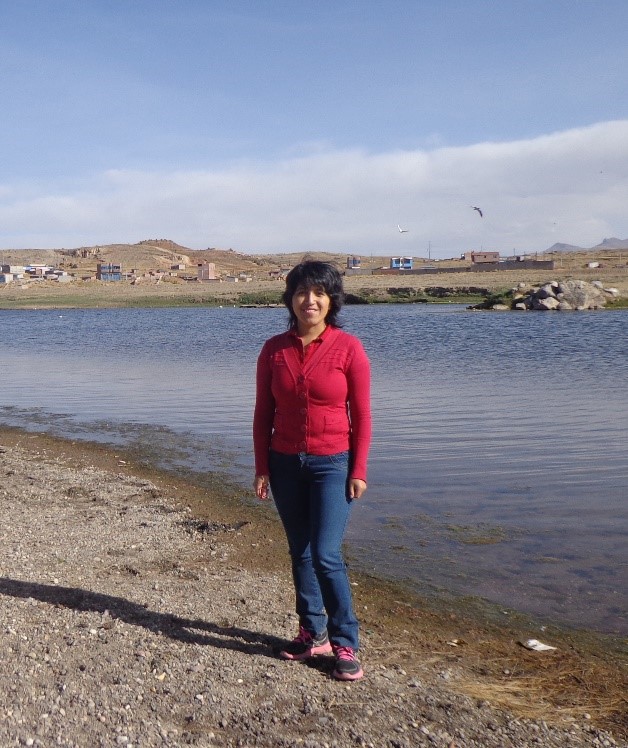
My name is Beatriz Apaza. I am a member of INELA Bolivia Yearly Meeting. I have had opportunities to serve in missions, first within the Unión Jeventud Evangèlica Los Amigos in Bolivia. Currently, I am volunteering at the Friends International Bilingual Center, a new project that aims to promote teaching based on Quaker principles in service of church and society as a whole. The search for the will and purposes of God led me to meditate on Faith, Hope and Love (1 Corinthians 13) as eternal principles that allow us to transform our way of seeing and understanding things, being guided by the Spirit Holy to be convinced of the Love of God as the greatest gift that man can have without deserving it.

“Let your dreams be bigger than your fears and let your actions be stronger than your words”

Oscar

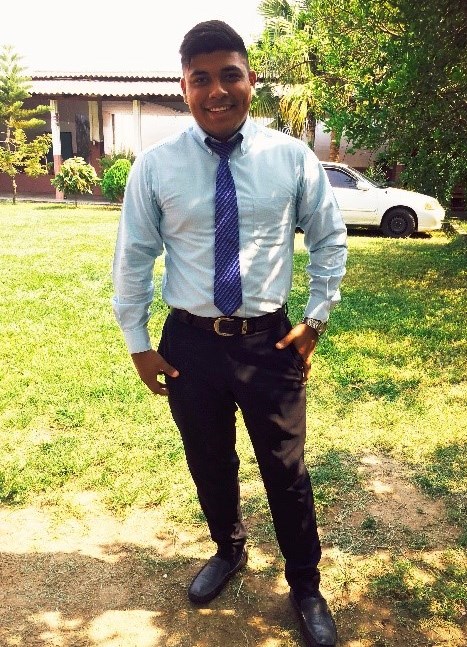
My name is Oscar Eduardo Rodriguez Merino. I am 22 years old and I am a member of El Salvador Yearly Meeting. Since I was born, my parents instilled in me values ​​of brotherhood and holiness that helped me to grow as a Christian and as a person in society. I am the son of a pastor. I love working with young people. My passion is to give my whole life to the one who loved me on the cross of Calvary, to surrender in adoration. I am Vice President of the Youth Society Friendly Ambassadors in my country, and member of the district board; Serve, the blessed Jesus said! I am very excited to visit and meet more Friends.

Elvis

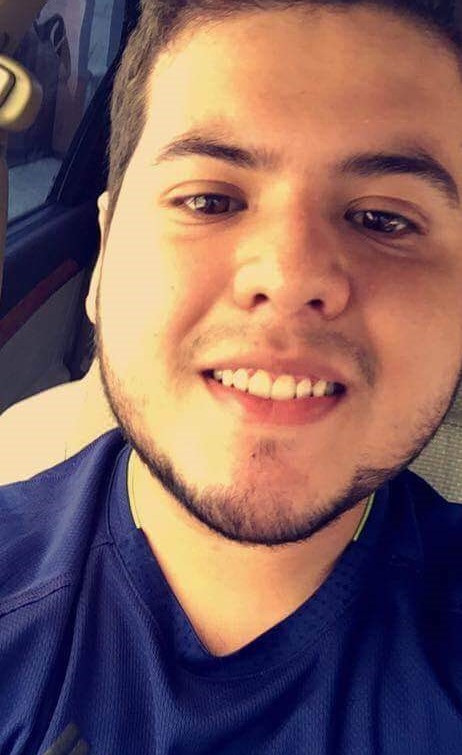
My name is Elvis Ivan Calderon Morales. I am 21 years old and I am from the Yearly Meeting Embajadores Amigos of Chiquimula, Guatemala. I am an industrial engineering student, and currently serving as the secretary of the council and president of the youth society of my church. I like to play soccer, to play the guitar; I like to serve, to help people. I am very happy to be part of the FWCC Traveling Ministry Corps and I hope to share with many Friends of the Americas.

Yulieed

My name is Yulieed, I am 20 years old and I belong to the Friends Church of Ciudad Victoria, where I attend regularly with all my family. I am a third year Civil Engineering student and what I most enjoy doing is taking care of my large collection of cacti and succulents, and attending the university where I study. I love to run in the afternoon and be in contact with nature. I am very happy to participate in the Traveling Ministry Corps and in to share my testimony with various Friends around the Americas.

Jonatan

My name is Jonatan Mamani, I am from La Paz,  Bolivia, and a member of the INELA Bolivia Yearly Meeting. Since I was a child I have been blessed to be part of the Friends Church and to participate in all of its activities. In the last four years I have been integrating the youth board of UJELAB (Union of Evangelical Youth Friends of Bolivia), visiting rural and some urban churches, and sharing with young people the teachings of the Word of God. All this has been a great experience that the Lord has allowed me to live. Now, as part of the leaders traveling in the CMCA ministry, I have much more to thank God for.

Virginia

My name is Maria Virginia Jalire Pisque. I am 24 years old. I am a member of the Evangelical Friends Church of La Paz, Bolivia. Since I was little I was raised in the Christian life by my parents and grandfather, and I received the call of God at age 15. God has shown me great wonders along the way, showing me my talent in praise, in the solidarity of being able to raise many people internally. I work with people in rural areas, giving help and offering support with the profession of nurse and pharmacist by profession that God proposed. I am now about to finish the career of physiotherapy kinesiology. I believe God showed me these careers so I can help people with limited resources and I feel satisfied because I can talk about the word of God in hospitals.

Introducing the Traveling Ministry Corps

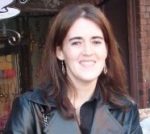
Julie Peyton headshot
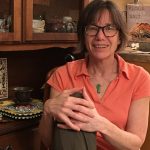
Debbie Humphries headshot

Debbie Humphries

Prophetic ministry

Prophetic listening

Unwritten rules of unprogrammed Quakerism

Spiritual wrestling practices for Quakers

Deepening worship

Debbie Humphries grew up Mormon and came to Quakerism in the early 1990s.  Since then she has been a member of Ithaca (NY) Monthly Meeting, Charleston (WV) Monthly Meeting; and currently Hartford (CT) Monthly Meeting. She  is currently clerk of the Ministry and Counsel Committee of New England Yearly Meeting. Debbie teaches at the Yale School of Public Health and conducts research on public health nutrition and community health, both in the US and internationally.

Emily Provance headshot

Emily Provance

Discernment

Courage

Leadings & Concerns

Supporting ministry

Technology & algorithms in relation to social justice

Spiritual gifts & spiritual authority

Emily Provance is a member of Fifteenth Street Monthly Meeting in New York Yearly Meeting. She is engaged in vari-ous spiritual accompaniment and social media-based minis-tries, and she travels with a minute from her monthly and year-ly meetings. Emily brings workshops and discussions for all ages on a variety of topics in Quaker faith and practice, and she seeks to connect particularly with Friends who may be feeling called into ministry. She tutors children in reading.

Julie Peyton headshot

Julie Peyton

Science & faith

Bible & Quaker faith

Prophetic ministry

Evangelicals & Quakers

Julie Peyton is a member of West Hills Friends in Portland, OR, where she clerks the EarthCare Committee, and in the past has served as presiding clerk and recording clerk. In Northwest Yearly Meeting, she has served on the Epis-tle Committee, Nominating, and as an FWCC rep. She cares deeply about a core belief of Friends: that we all have access to the same Spirit, the Spirit who was there at the beginning of creation, and the Spirit that gave forth the Scriptures; thus we can listen together and be led together. She teaches chemistry at the college level.

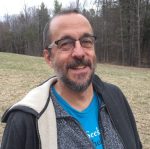
Chuck Schobert headshot

Chuck Schobert

Traveling Across Branches of Quakerism

Prophetic Ministry

Convergent Friends

Spiritual Deepening

Chuck Schobert is a member of Madison (WI) Monthly Meeting, an unprogrammed congregation within Northern Yearly Meeting. Active in his monthly and yearly meeting, he also clerks an FWCC committee that engages Friends about the work of FWCC. In his ministry, God has called him to travel across the diverse branches of Friends, listen-ing with his heart, seeking common ground and the joy of spiritual transformation. He works as a veterinarian.

Click below to download a printable flyer of these biographies: