How to Conduct an Interview

1. Before the interview

a) Get your phone up and working and install Smart Voice Recording app.
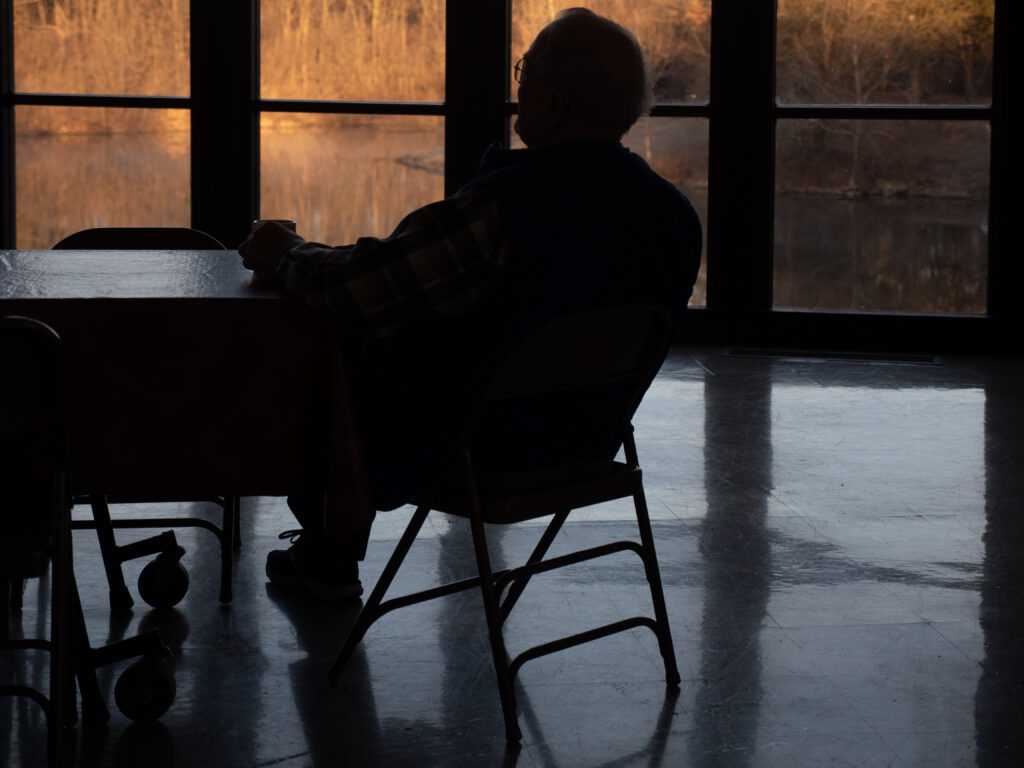
b) Arrange a time and place to meet the one to be interviewed- choose a time when the person being interviewed is most awake/alert if they are elderly
c) Make sure you arrive on time or slightly early
d) Test the phone, microphone, and the camera using your own voice (practice testing)
e) Make sure you open Voice recorder app on phone and then choose under setting WAV.
f) Take a recording and then play it back, so you can determine how close you need to be to get a good clear recording. Older people often speak softly, so make sure you can hear their voice before you start taping the interview.

2. Set up apparatus

a) Find a location where it will be least noisy. Avoid windy places, places that echo (empty buildings or ones with high ceilings), or places next to traffic or other noises. Or turn off all other cell phones in the room during taping.
b) Turn phone on the airplane mode to cut down distracting noises.
c) Set up the tripod so the phone is in a secure place. It should be not more than 6 feet
away from the person being interviewed. Make sure the microphone is facing the person being interviewed.
d) Attach microphone to shirt/collar of person to be interviewed.
e) Make sure there is no phone case, fingers, etc blocking the mic.
f) Do a 1 minute or less practice to make sure it is catching the sound before interviewing.
g) Take a photo of the person before taping.

3. Recording

a) Start the recording by indicating:

  • It’s (month)(date_)___/(year)_ and we are located in
    the town/ village/ YM . This is (Your name)_ and I am here with (interviewee’s name) as part of the
    Oral history project for World Quaker Day. (Which language are you speaking?)
  • Use the questions on back of sheet, but add follow up questions for information that would be especially interesting for used in Sunday School story telling.

4. End of Interview

a) Take a photo of the person (often they will be more relaxed and smiling afterwards)
b) Thank the one being interviewed plus any family members who assisted.
c) Disinfect the phone after the interview
d) Wash your hands.
e) Check the photo taken and Play back part of the interview

QUESTIONS TO ASK

Personal information:
Where were you born? Or where did you spend your childhood?
Did you attend any Quaker schools? What difference did it make to your life? Challenges faced when you were young?

History of Friends in your area:
Who was the earliest Quaker in your area or village? (or the first people to become Quakers in your area).
Which Quakers were your mentors? Describe why. How were the earliest Quakers in your area different from people from other churches/faiths ? How were they different from Quakers today?
What can we learn from the earliest Quakers in your region?
Leadings and challenges of being a Quaker:
How and where did you become a Friend?
Can you describe any callings or leadings you have had in ministry?
What challenges have you meet while being an adult Quaker or as a woman Quaker?
What are the most serious challenges of being a Quaker today?
How has Quakerism changed your life?


Joys of being a Quaker:
What has been the best thing about being a Quaker? How has it helped you?
Being a Quaker as a child:
If you have been a Quaker from childhood,
a) Describe what it was like to grow up in a Quaker home. How was it different from being brought up in another church?
b) Describe what you remember most about any Sunday school as a child.
c) What did Quakers offer to you as a child?
d) How did you find your wife/husband?

Message you have for future Friends:
What message would you like to give to young Friends today or to your grandchildren?

CREDITS: FWCC Section of the Americas is deeply grateful to the Quaker Religious Education Collaborative-Africa which developed this very useful guide to interviews which we have adopted for World Quaker Day 2021. May God continue to bless their ministry. https://quakerrecollaborative.org/
COVID PRECAUTIONS- wash your hands before you start- don’t touch your face.
Only one person should be using the phone- disinfect between users.
Maintain a safe distance. If the interviewee is ill, postpone the interview until they are better.

Hurricane Relief Efforts

The impacts from hurricanes ETA and IOTA continue to affect our Central American neighbors, particularly in Nicaragua, Honduras, and Guatemala. Friends locally have been very active in relief efforts, though they are limited by funds.

FWCC has been raising money to pass along to the Yearly Meetings doing this on-the-ground work. As of mid-January, FWCC has raised over $4,500 for Friends in Central America, in addition to other ongoing fundraising efforts in the United States. We are extremely grateful for those of you who have felt able to support this work!

We continue to pray for those in Nicaragua, Honduras and Guatemala who are are still suffering. May God also sustain our brothers and sisters who continue to bring aid and assistance to those in need. More detail about the relief efforts is as follows:

In Guatemala

Embajadores (Ambassadors) Friends Monthly Meeting in Chiquimula and Friend Elder Morales (a current member of the Section’s Finance Committee) have been assisting a group of families, most of whom are Quakers.
The Chaplain Team of Holiness Yearly Meeting of Friends is working with Friends from the National Yearly Meeting to bring food, clothing, mattresses, etc. to families in need.
Shalom Jireh (NGO) and FM Vida: This is a well established ministry including a radio station that has been organizing the purchase and distribution of articles for the victims. They work through a network of local church leaders and transportation volunteers who have been working to organize a fair distribution of food, clothing, etc. to at least 200 families.
Junta Nacional Amigos: This national yearly meeting is working through its regional superintendents at two points in the most affected zone.

In Honduras

Junta Nacional Amigos de Honduras: YM president Arody Ruiz and the pastoral teams in District 8 are located in the most affected zone of Honduras and have been working tirelessly. At the beginning of December they placed an order for new beds to be manufactured, to provide along with other needs.
Hno. Bernabé and Maria Felix Sánchez: (Pastors, First Friends Church, Santa Rosa de Copan) These Friends have been working on providing stoves and work tools so that people can continue their basic tasks, cook their own food and begin to earn money again.

In Nicaragua

We are receiving news of the victims in Nicaragua via El Salvador Yearly Meeting, which includes one of the Salvadoran missionary families, Doris Guardado (former FWCC Regional Coordinator) and Alcides Mejia, who continue ministering to their neighbors, despite the storm and looting damage to their home.

If you are able to give financially to support this ongoing work, you can send a check made out to FWCC Americas with Central American Disaster Relief in the memo. To make an immediate online donation, click here and choose Central American Disaster Relief.

Pastoral Care in the time of COVID-19

Most Quaker books of discipline, sometimes known as Faith and Practice, have practical and spiritual advices for dealing with death and bereavement. Your yearly meeting may already have a committee of Friends exploring how to be of service in this time. Do seek out local support resources as well.

Even professionally trained pastors may be overwhelmed at this time, by their congregation or their own expectations. Friends have a long tradition of sharing the gifts and call to ministry more broadly. These resources may be useful to you. If you have other suggestions, please send them to Robin Mohr at robinm at fwccamericas.org. We are updating this as we receive links and news. 

Trainings/Workshops/Discussions:

Scott Wagoner, Pastoral Minister at Deep River Friends, is offering a weekly Zoom call every Wednesday from 11AM to 12 Noon EDT (plus an additional session on Friday April 3). In partnership with FUM’s North American Ministries, he is offering this space for programmed and unprogrammed Quakers to talk about how to do pastoral care / presence in this environment, what resources are working, what are we learning, and how we each of us doing. He trained with the Shalem Institute for Spiritual Formation. Contact him at scottwagoner62@gmail.com  to get on the invitation list.

Resources:

Friends General Conference has posted a conversation with three Quaker chaplains on grief, death, and dying and this list of resources on Quakers and Mental Health.

Last year, New England Yearly Meeting published expanded sections of Faith and Practice on death and bereavement with related logistical suggestions.

New England Yearly Meeting has established a page with pastoral care and support resources

Philadelphia Yearly Meeting shared multiple useful resources:

Friends United Meeting posted the following self-care suggestions from Alexander Kern, Director of Northeastern University’s Center for Spirituality, Dialogue, and Service, and New England Yearly Meeting.

Everence, a Mennonite financial services company, can offer professional counseling on debt and budget issuesPhiladelphia Yearly Meeting shares this pastoral care newsletter focused on supporting Friends who are burdened by debt. Though written some time ago, it remains highly relevant.

The US Center for Disease Control published some resources for coping in daily life and particularly for helping to reduce the stigma associated with the coronavirus.

Is there a hospice program near you? They may have additional resources online or local to you. Here is some advice about choosing a hospice provider.

Carl Magruder, board-certified chaplain from Pacific Yearly Meeting sent the following links and advice:

Preparing to go to the hospital: Folks sick with COVID-19 will first be at home, and if they worsen, at some point a decision will be made to take them to hospital.  (Note: Many are leaving this too late, so be in communication with your healthcare provider.)

– Bring a phone, tablet, or laptop to hospital with charger

– Fill out/find/revise/copy your advance care directive and take it to the hospital

– Request a consult with the palliative care team.

Many people have had the experience of making a “baby bag” for a quick trip to obstetrics when a baby is expected.  A hospital bag should be packed and ready to go—toothbrush, pajamas, slippers, sudoku, teddy bear, favorite baseball team cap, etc.  Fun aside, an essential item for the bag is a copy of your advance healthcare directive.  

Some items you will want with you in your bag may be in daily use, and for them, a list should be attached to the bag so that they can be thrown in quickly at a time when folks may not be thinking clearly.  That list should include PHONE/TABLET/LAPTOP AND CHARGER. That way, the patient, possibly with help from hospital personnel, will be able to stay in touch with family from quarantine. (And watch Netflix on hospital wi-fi!)  This is also the case for anyone who goes to hospital with stroke, heart attack, etc. in this time, because they will also not be able to receive visitors. In fact, it’s a good practice any time hospital admission is anticipated.

To me, as a palliative care and hospice chaplain, the inability to be at bedside with loved ones who are approaching or at end of life is one of the hardest things about the contagiousness of COVID-19.  I was talking with two hospice chaplain friends of mine about it, and we have all experienced beauty, healing, grace, and peace at the bedside of a dying person—the veil is thin, and sacredness can be called in when fears and conflict have been skillfully addressed.  BUT this is when people can join hands, touch their loved one, sing, pray, anoint, etc. What happens when they can’t be there in person?

The chaplains agreed that we have had remarkable experiences with bringing a remote loved one to bedside by telephone.  My colleagues, working for hospice, which is federally funded and regulated, have never used Zoom with family members, but ResolutionCare.com has cared for our people using videoconferencing for five years now.  Faces light up across distance when the Zoom connection is made. Also, important medical decisions can be made with medical personnel, family, and the sick person when certain friends or family Zoom in.

Federal law was changed because of the pandemic to allow medical providers much wider usage of telehealth platforms including Zoom, doxy, FaceTime, What’s App, etc.  However, this is unfamiliar to many healthcare personnel, and they may be reluctant to use it. Of course, you can always connect on your own, if you have your device.  

I recommend that anyone admitted for COVID-19 ask to “consult with the palliative care team.”  This is the team that facilitates hard conversations, advocates for you to have the interventions YOU choose, and makes sure that you are comfortable.  The team generally includes a social worker, nurse, doctor, and a kindly interfaith chaplain. They may take a while to get there, because other folks are higher priority. You don’t want to be high priority.  Avail yourself of this resource. If there’s no palliative care team, request a chaplain or nurse help you to contact your family on the electronic device you brought to the hospital.

COVID-19 Church and Meeting Resources

The COVID-19 news is changing regularly. We advise you to check with your national and local health authorities regarding the situation in your area.

Opening Up Again:

Events:

Many events have been cancelled or moved online. Please check with local organizers regarding specifics.

Yearly Meeting Resources:
Many Yearly Meetings and associations are posting and sharing resources to support local churches and meetings as they make plans and decisions around worship, prevention, community, and pastoral care concerns relating to COVID-19. Here are some resources available as of this time (3/24/2020):