Hymn Contest Entries

We are deeply grateful for the many heartfelt entries we received for our hymn contest. Each song reflected a deep faith and sincere devotion, reminding us of the light and love that inspire our Quaker community around the world.

This year’s winning hymn comes from Sandra Elizabeth Espinoza of El Salvador, whose words and music beautifully capture the heart of Quaker worship. In her reflection on the song, Sandra shared that Quakers “worship modestly in silence, believing that God is with us and listens to us. The truth is not in vain words but in what comes from our hearts sincerely.” She described her hymn as expressing “a life guided by God and accompanied by peace, love, and steadfastness, and by committed action without hatred.”

Sandra composed the music through prayer and inspiration, giving thanks to God for the privilege of participating. Her work reminds us that the Spirit continues to speak through song, calling us to peace, humility, and service.

Congratulations to Sandra and to all who shared their gifts in this joyful celebration of faith and creativity.

Enjoy the videos of each of our hymn entries below:

How to Conduct an Interview

1. Before the interview

a) Get your phone up and working and install Smart Voice Recording app.
b) Arrange a time and place to meet the one to be interviewed- choose a time when the person being interviewed is most awake/alert if they are elderly
c) Make sure you arrive on time or slightly early
d) Test the phone, microphone, and the camera using your own voice (practice testing)
e) Make sure you open Voice recorder app on phone and then choose under setting WAV.
f) Take a recording and then play it back, so you can determine how close you need to be to get a good clear recording. Older people often speak softly, so make sure you can hear their voice before you start taping the interview.

2. Set up apparatus

a) Find a location where it will be least noisy. Avoid windy places, places that echo (empty buildings or ones with high ceilings), or places next to traffic or other noises. Or turn off all other cell phones in the room during taping.
b) Turn phone on the airplane mode to cut down distracting noises.
c) Set up the tripod so the phone is in a secure place. It should be not more than 6 feet
away from the person being interviewed. Make sure the microphone is facing the person being interviewed.
d) Attach microphone to shirt/collar of person to be interviewed.
e) Make sure there is no phone case, fingers, etc blocking the mic.
f) Do a 1 minute or less practice to make sure it is catching the sound before interviewing.
g) Take a photo of the person before taping.

3. Recording

a) Start the recording by indicating:

  • It’s (month)(date_)___/(year)_ and we are located in
    the town/ village/ YM . This is (Your name)_ and I am here with (interviewee’s name) as part of the
    Oral history project for World Quaker Day. (Which language are you speaking?)
  • Use the questions on back of sheet, but add follow up questions for information that would be especially interesting for used in Sunday School story telling.

4. End of Interview

a) Take a photo of the person (often they will be more relaxed and smiling afterwards)
b) Thank the one being interviewed plus any family members who assisted.
c) Disinfect the phone after the interview
d) Wash your hands.
e) Check the photo taken and Play back part of the interview

QUESTIONS TO ASK

Personal information:
Where were you born? Or where did you spend your childhood?
Did you attend any Quaker schools? What difference did it make to your life? Challenges faced when you were young?

History of Friends in your area:
Who was the earliest Quaker in your area or village? (or the first people to become Quakers in your area).
Which Quakers were your mentors? Describe why. How were the earliest Quakers in your area different from people from other churches/faiths ? How were they different from Quakers today?
What can we learn from the earliest Quakers in your region?
Leadings and challenges of being a Quaker:
How and where did you become a Friend?
Can you describe any callings or leadings you have had in ministry?
What challenges have you meet while being an adult Quaker or as a woman Quaker?
What are the most serious challenges of being a Quaker today?
How has Quakerism changed your life?


Joys of being a Quaker:
What has been the best thing about being a Quaker? How has it helped you?
Being a Quaker as a child:
If you have been a Quaker from childhood,
a) Describe what it was like to grow up in a Quaker home. How was it different from being brought up in another church?
b) Describe what you remember most about any Sunday school as a child.
c) What did Quakers offer to you as a child?
d) How did you find your wife/husband?

Message you have for future Friends:
What message would you like to give to young Friends today or to your grandchildren?

CREDITS: FWCC Section of the Americas is deeply grateful to the Quaker Religious Education Collaborative-Africa which developed this very useful guide to interviews which we have adopted for World Quaker Day 2021. May God continue to bless their ministry. https://quakerrecollaborative.org/
COVID PRECAUTIONS- wash your hands before you start- don’t touch your face.
Only one person should be using the phone- disinfect between users.
Maintain a safe distance. If the interviewee is ill, postpone the interview until they are better.

Seeing the Tapestry – QuakerSpeak videos and curricula

Listening in Tongues Being Bilingual as a Quaker Practice img

Seeing the Tapestry – QuakerSpeak videos and curricula

We are pleased to present all five of the QuakerSpeak – FWCC videos collected in one place, along with the Religious Education curricula that go along with each.

We are so happy with how these videos turned out, and the success with which they have been greeted, garnering many “views” and positive feedback from those who have watched and used the videos. “Are You A Quaker” is on track to be one of the most-watched QuakerSpeak videos yet!

If you do use one of these videos as part of your religious education classes at your church or meeting, please take a moment to complete our brief survey. This will help us plan for any future videos!

Video #1 – Listening in Tongues – Being Bilingual as a Quaker Value
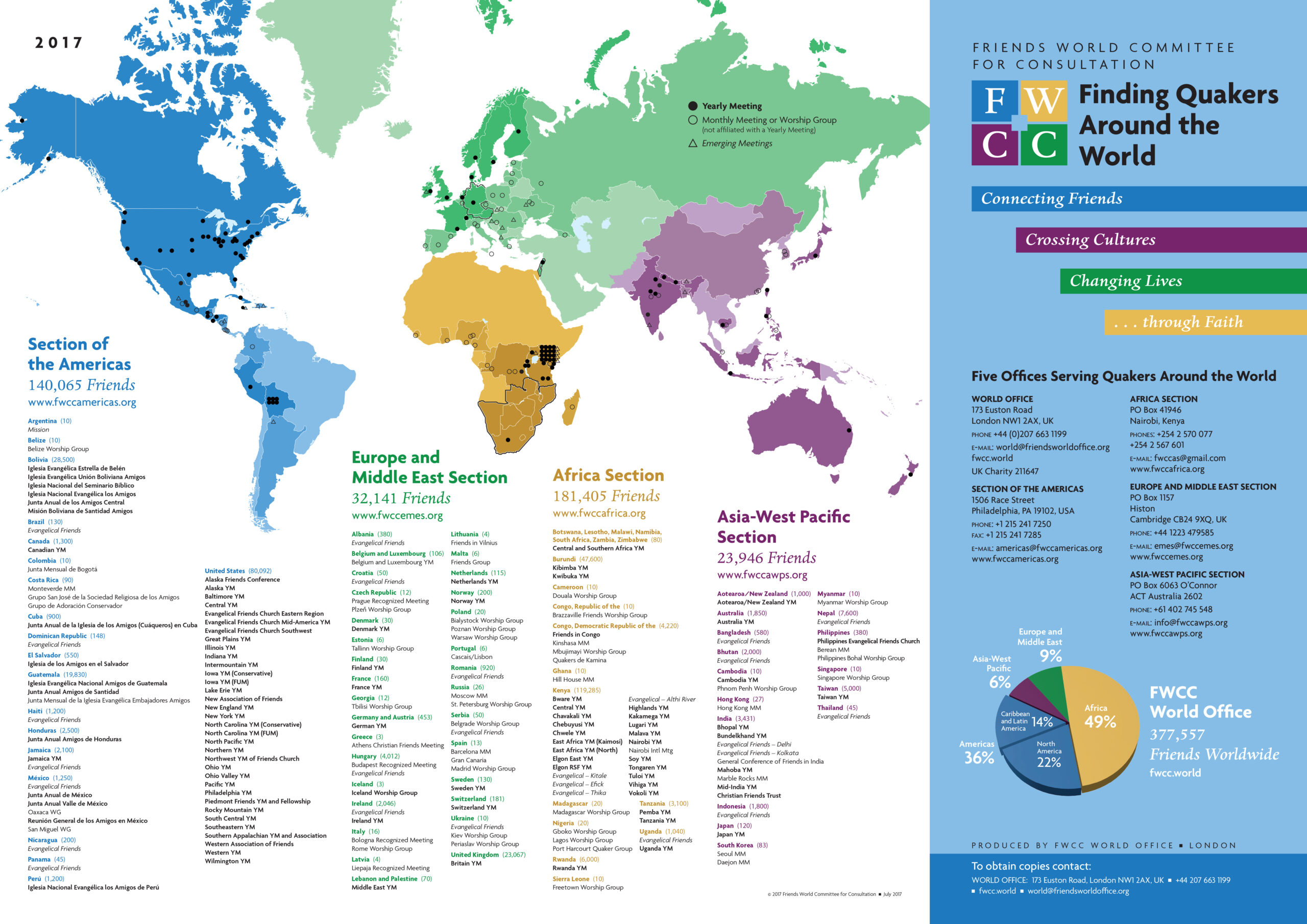
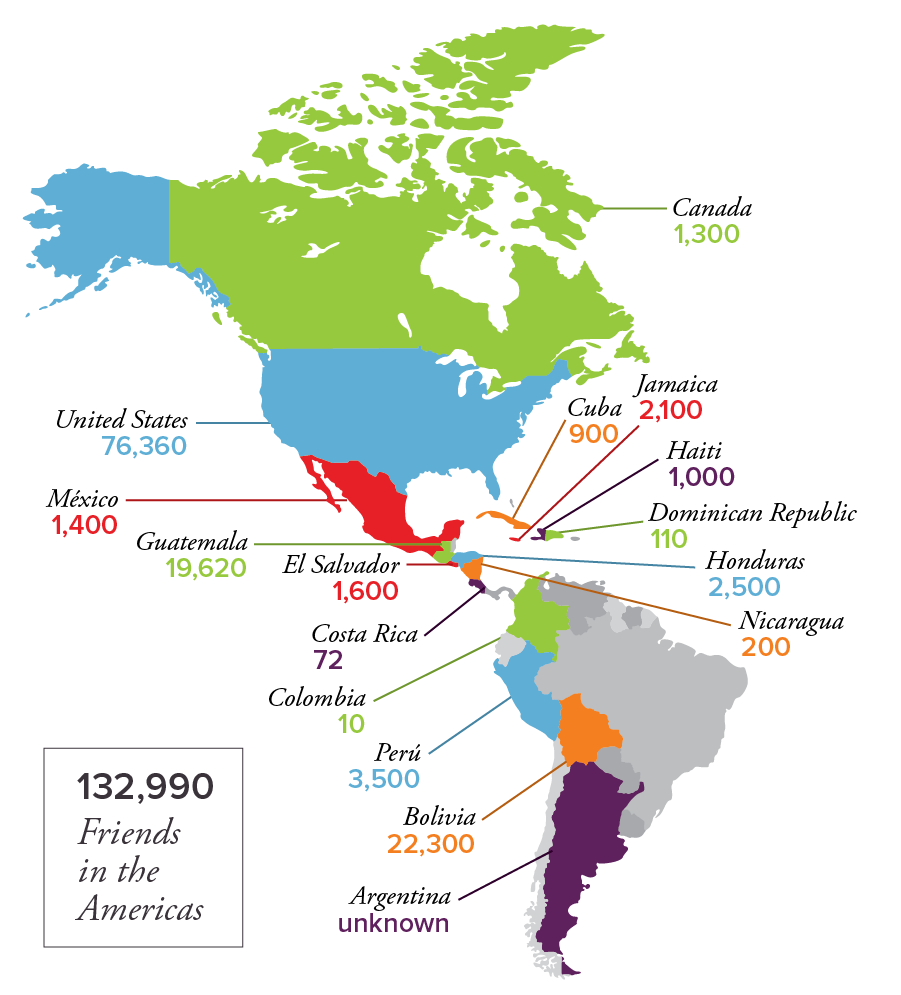
Video #2 – How Many Quakers are there in the World? And Where are They?
Video #3 – Top Ten Reasons I am a Quaker
Video #4 – How Do Quakers Approach Sustainability Work?

Curriculum – Quakers and Sustainability

Has your monthly meeting or annual meeting responded to the sustainability meeting? Let us know how!

Video #5 – Are You A Quaker?

Curriculum – Are You a Quaker?

Many thanks to our partners: Friends Publishing Corporation, Quaker Religious Education Collaborative, Friends International Bilingual Center, New England Yearly Meeting, and the Thomas H. and Mary Williams Shoemaker Fund.

Additional Viewing

Why I Worship With Other Kinds of Quakers
Why Traveling Ministry Is Vital for Quakers in the 21st Century
What’s the Difference Between “Programmed” and “Unprogrammed” Quaker Worship?

Are You A Quaker? (Video)

are-you-a-quaker-600PX2-560x315

Our newest video is for anyone who has read about Quakers and realizes, “I think I’m a Quaker!”

Click on the picture to view the video at QuakerSpeak.com.

Share the video on your social media using this link: 

Sample tweet: Think you’re a #Quaker? Watch this video 

Would you like to use these videos in your church or meeting’s religious ed program? You can find the materials specific to this video here. The Quaker Religious Education Community Practice guide is here.

FWCC and Sustainability (Video)

how-quakers-approach-sustainability-work-600PX

The December QuakerSpeak – FWCC partnership video focuses on the work that started with the Kabarak Call and led to our sustainability minute from the 2016 World Plenary in Pisac, Peru.

The Kabarak Call for Peace and Ecojustice was approved on April 24, 2012 at the Sixth World Conference Friends, held at Kabarak University near Nakuru, Kenya. It was the culmination of the FWCC World Consultation on Global Change which was held in 2010 and 2011.

In January 2016, the FWCC World Plenary Meeting approved the Pisac Sustainability Minute proposed by the Consultation on Sustaining Life on Earth. “This FWCC Plenary Meeting also asks all Yearly Meetings to initiate at least two concrete actions on sustainability within the next 12 months. These may build on existing projects of individuals or monthly meetings or they may be new initiatives. We ask that they encourage Young Friends to play key roles. We ask that meetings minute the progress and results, so as to share them with FWCC and Quaker meetings.”


If your meeting, church, or group is responding to the 2016 Sustainability Minute, please let us know how by filling out this brief form.

One way FWCC Section of the Americas has responded to this minute is by creating a Green Endowment Fund, which will invest in companies that are working responsibly towards peace and ecojustice. This new fund seeks contributions from Friends who wish to help ensure the ongoing support of the Section’s work, with assurance that their gift will be invested in a fund that is screened for Quaker values and is fossil fuel free, with a portion of the portfolio specifically invested in alternative energy and green technology. Click here to make a contribution to this new fund – select Other and specify the Green Endowment Fund under Purpose.

The Quaker Religious Education Collaborative has produced materials for those interested in using the video as part of religious ed or first day classes – or other presentations!

Additional links and resources:

Top 10 Reasons I Am a Quaker (Video)

We are thrilled to share the newest installment of the FWCC Section of the Americas / QuakerSpeak series of videos, “Top 10 Reasons I Am a Quaker.” This video features Gregg Koskela, pastor of the Newberg Friends Church in Newberg, Oregon. Click on the picture to view the video at QuakerSpeak.com.

Would you like to use these videos in your church or meeting’s religious ed program?  You can find the materials specific to this video here. The Quaker Religious Education Community Practice guide is here.

It would really help us to keep improving these videos and materials if you would fill out our brief survey after using them in your religious ed classes!