Friends World Committee for Consultation Receives $1.125 Million Grant for Quaker Connect

The Friends World Committee for Consultation, Section of the Americas—the global fellowship association for the Religious Society of Friends—has received a $1.125 million grant from Lilly Endowment Inc. through its Thriving Congregations Initiative to help establish Quaker Connect, a program designed to reinvigorate the Quaker movement. 

FWCC Americas recently hired Jade Rockwell as the program director. Jade joins FWCC Americas from West Elkton (OH) Friends Meeting, where she serves as Co-Pastor. She is pursuing a Masters of Divinity with an emphasis on Pastoral Ministry from Earlham School of Religion. 

“I’m pleased to join FWCC Americas as the program director for Quaker Connect,” Jade said. “In this role I’m thrilled to dedicate my life work toward revitalizing Quakerism to reflect its beautiful diversity.”

“Quaker Connect is responding to the need of local Friends to develop a spirit of experimentation in partnership with God to support the members of their meetings and engage in issues important to their communities,” said Robin Mohr, Executive Secretary for FWCC Americas. “Quaker Connect will equip Quaker churches to be more clearly who they are meant to be: profoundly Quaker, deeply rooted, and highly visible in their local community. We are very pleased that Jade Rockwell has joined us at this pivotal point.”

Friends meetings and churches who wish to be considered for the first cohort of the Quaker Connect program should check the FWCC Americas website, QuakerConnect.org, for updates. The application period is planned to open in September 2024. 

In the United States, the project is being funded through Lilly Endowment’s Thriving Congregations Initiative. An additional $200,000 grant from the Thomas H. and Mary Williams Shoemaker Fund will extend the program to Friends outside of the United States—from Canada to Bolivia—and enhance collaboration among Quaker organizations to support the growth and vitality of the Society of Friends.

Quaker Connect will be a structured network of Quaker meetings across the branches of Friends in the Americas. Each participating local meeting will nominate two to three Friends to join a cohort of other energized Friends in virtual workshops over a two year period. At the heart of the program, each meeting will choose one signpost of renewal that is lacking in their meeting, one Quaker, Christian, or FWCC practice to address the need, and take three months to try the experiment, and then initiate further experiments. Robust evaluation and communication processes are essential parts of the program. Quaker Connect is designed to adapt and seed the continuing revitalization of the Religious Society of Friends. 

FWCC Americas is one of 104 organizations that has received grants through a competitive round of Lilly Endowment’s Thriving Congregations Initiative. Reflecting a wide variety of Christian traditions, the organizations represent mainline Protestant, evangelical, Catholic, Orthodox, peace church and Pentecostal faith communities.

“Congregations play an essential role in deepening the faith of individuals and contributing to the vitality of communities,” said Christopher L. Coble, Lilly Endowment’s vice president for religion. “We hope that these programs will nurture the vibrancy and spark the creativity of congregations, helping them imagine new ways to share God’s love in their communities and across the globe.”

About Lilly Endowment Inc.

Lilly Endowment Inc. is a private foundation created in 1937 by J.K. Lilly Sr. and his sons Eli and J.K. Jr. through gifts of stock in their pharmaceutical business, Eli Lilly and Company. While those gifts remain the financial bedrock of the Endowment, it is a separate entity from the company, with a distinct governing board, staff and location. In keeping with the founders’ wishes, the Endowment supports the causes of community development, education and religion and maintains a special commitment to its hometown, Indianapolis, and home state, Indiana. A principal aim of the Endowment’s religion grantmaking is to deepen and enrich the lives of Christians in the United States, primarily by seeking out and supporting efforts that enhance the vitality of congregations and strengthen the pastoral and lay leadership of Christian communities. The Endowment also seeks to improve public understanding of diverse religious traditions by supporting fair and accurate portrayals of the role religion plays in the United States and across the globe.

About Shoemaker

The Thomas H. and Mary Williams Shoemaker Fund, established by the 1936 and 1953 wills of Thomas Howard Shoemaker and Mary Williams Shoemaker, is a private, trustee-managed foundation with five volunteer, self-perpetuating distributing trustees. Since the death of Mary Shoemaker, approximately $9 million has been distributed to selected charities, including Friends meetings and Quaker-related organizations primarily in the Philadelphia area.

In recent years, the Shoemaker Trustees have become increasingly concerned about the future vitality and membership of the Religious Society of Friends. As a result, the  Fund has shifted its focus to organizations that are investing specifically in the growth and development of the Society of Friends. In this spirit, the Fund is providing major support for new and collaborative initiatives developed by organizations that provide leadership, innovation and resources which address this strategic goal.

About FWCC Americas

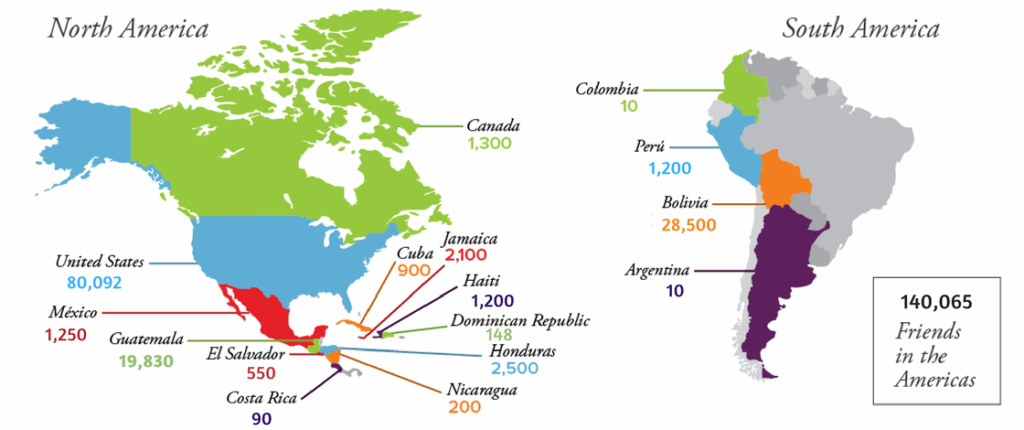
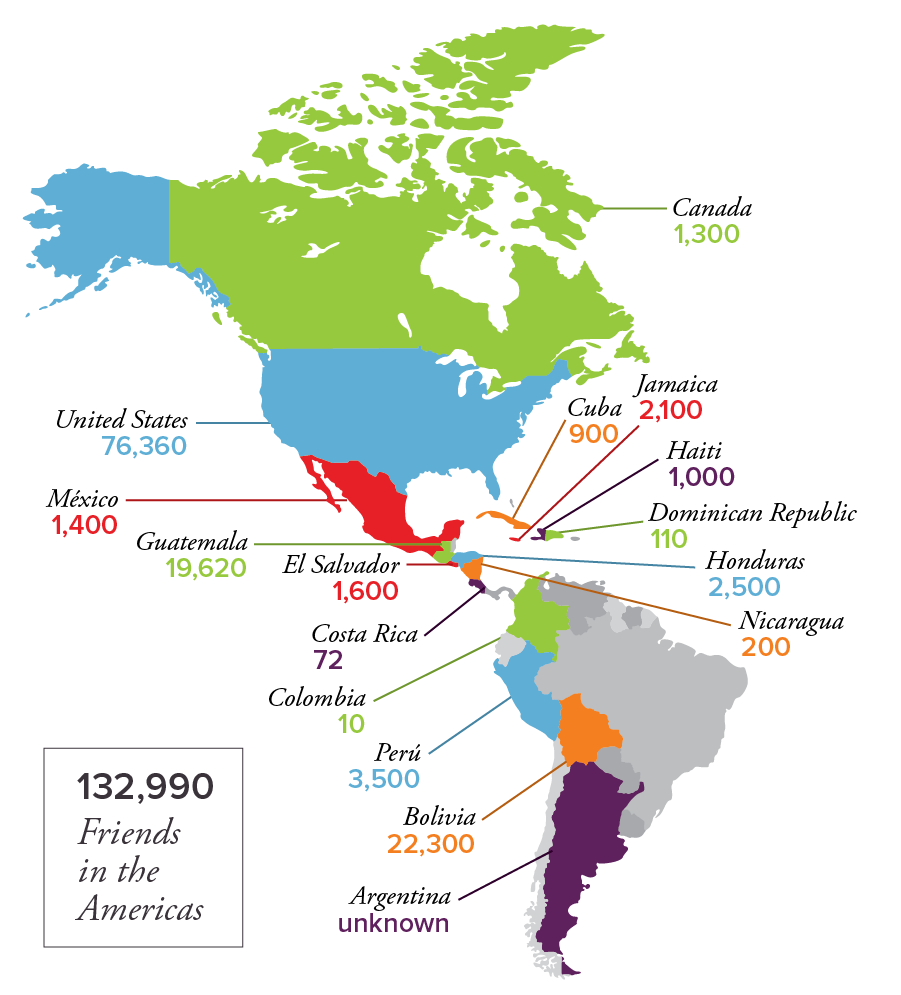
The Friends World Committee for Consultation (FWCC) is the global fellowship association for the Religious Society of Friends, or Quakers, also known as the Friends Church. In the Americas, the Quaker community extends from the Arctic to the Andes, spanning a rich diversity of regional cultures, beliefs and styles of worship. www.fwccamericas.org 

Hubs for the FWCC World Plenary Meeting 2024

The 2024 World Plenary Meeting (WPM) will take place on site in South Africa and online. (See more general information about the WPM and register here) Some Friends will join the WPM online as individuals, and others in groups. We are describing groups of people joining the WPM (and the locations they are joining from) as hubs. Everyone who plans to attend your hub should be encouraged to register so they have access to advance materials here: Registration

A hub is any group of Friends joining the World Plenary Meeting online from another location, from a single internet connection. The group size could be from 3 to 300+, but in many cases will be about 10 or 20 people. They may participate in the complete WPM from August 5-12, 2024 or just in some sessions. You can register to become a hub here

What is needed to be a hub?

Firstly, a hub needs more than two people wanting to join the World Plenary Meeting from another place or country. On registration, we will ask for at least one person to be named as a facilitator/elder for the hub, and a second to be the tech lead. There will be a ‘tech rehearsal’ for tech leads prior to the World Plenary Meeting, and regular check-ins to see how it is going.For larger groups of people, we recommend that a hub has access to:

  • a projector, large screen or monitor
  • a laptop, or tablet
  • a reliable internet, WiFi or data connection
  • a reliable supply of electricity
  • speakers
  • a web camera
  • a microphone

A group of up to about five people could gather around a computer or tablet. They could use the computer screen, microphone, camera and speaker. For the best experience of the WPM, a larger group would need a larger screen, external speakers and an external microphone.

How can I receive support as a Hub?

Limited technical support, for example on connectivity issues, will be provided to hubs through by the World Plenary Meeting Tech Working Group. The contact information for support persons will be provided after your registration as a hub is approved.

  • If you require interpretation for you event, be aware that the World Plenary Meeting official languages include Spanish and Swahili. If you need interpretation in another language, we do recommend finding a local person able to attend your hub and participate in simultaneous interpretation during the event

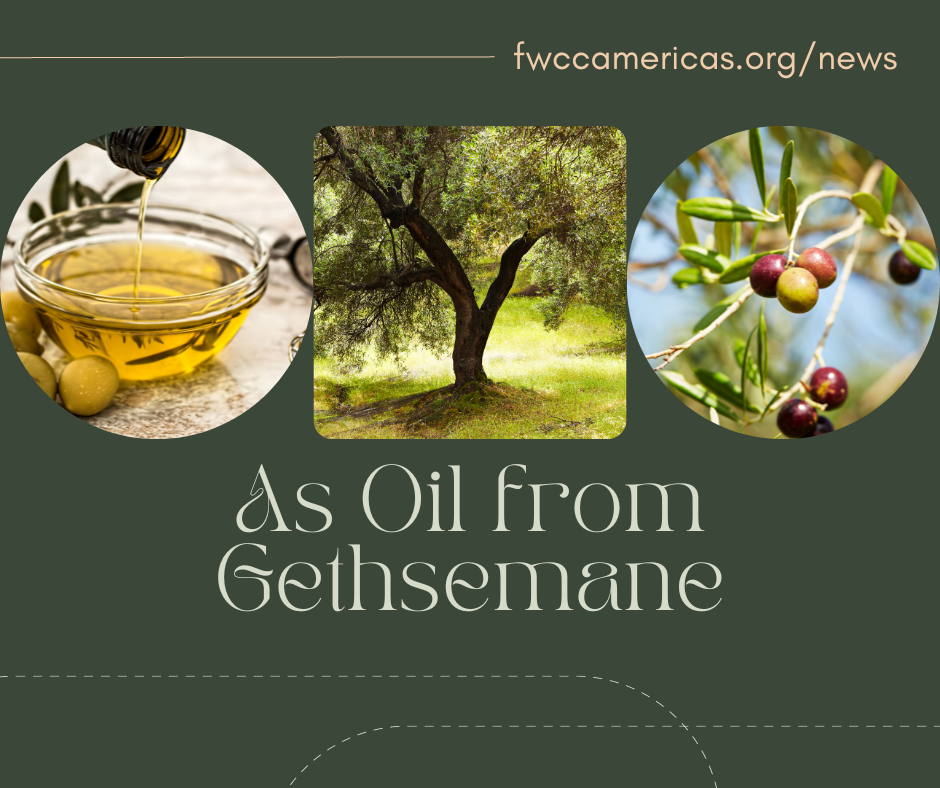
As Oil from Gethsemane

On Friendship, and “Becoming the Quakers the World Needs”

A message given by Noah Merrill at the FWCC Americas 2023 Section Meeting

Download printable pdf in English or Spanish

Good evening, Friends.

Just after I was born, I am told, my mother brought me to my first meeting for worship. She used to say that I had attended many before that, while she was carrying me in her womb, before I was born. I remember glimpses of those early years—mostly in images and sensations. But most of all, I remember the sense of coming home that met me in that worship, one that has continued to meet me throughout my life, a sense of spiritual intimacy, belonging, and relationship that has never left me, no matter the storms and struggles that might come. Thank you, Mom, for so many gifts. Thank you for the gift of bringing me home to Friends.

Many of you may know that my mother passed away suddenly and unexpectedly on Thursday, just after I had arrived to join those gathered in North Carolina. I am deeply sorry not to be able to be with all of you who are gathered there this week, but I am grateful to be with my family in this time of grief, and for this opportunity to be together with you and our wider community of Friends around the world tonight. And
I am deeply thankful for the many expressions of care, support, condolence, and prayer shared by so many of you in the hours since then. On behalf of our family, thank you.

The connections so many of us are experiencing as part of this Section Meeting are difficult or impossible to make in any other ways, anywhere else in the world. And in these times of division, distrust, and grief, tending to and strengthening loving relationships among us as the People of God called Friends has never been more important.

Across the Americas, we who are gathering have lost neighbors, loved ones, dear Friends. Many Friends faith communities—and the wider communities in which we live, work, and serve—have been devastated, whether by the immediate loss of health and life from illness, or by related losses: economic instability, deprivation, and collapse, restrictions on travel, disruptions of access to basic needs, or the social atrophy that has left many of us lonely, fragmented, unsure of what the future holds. Some of us find ourselves restless and unsatisfied, even in relative comfort.

From the Arctic to the Andes, recent years have brought political polarization, instability, and strife. There is growing suffering and insecurity, worsened by climate chaos. In many of our societies, bonds of civil discourse and relationship, already tenuous, have eroded further— sometimes seeming to unravel entirely. In many places, there is ebbing faith in institutions to save us. Ideologies—no matter how loudly or passionately proclaimed—no longer hold the reassuring or motivating power they once did for many. In the cultures around us, there is increased loneliness and fear.

Truly, this is an in-between time; a threshold between worlds. The signs are all around us. Things will not return to the way they were. The rhythms of communal life, the stable approaches of our Friends institutions—our local meetings and yearly meetings and wider fellowships like the Friends World Committee—don’t seem to be working in the ways we’ve come to trust. And yet, amidst all that is changing, it is difficult to imagine the future yet to come.

Our theme for this gathering is, “Becoming the Quakers the World Needs.” When I was invited to share with you tonight with this focus, I wrestled in prayer with the invitation. The theme seemed to suggest some significant things about which I was not sure I had much to offer. Trusting the discernment of the organizers, I knew there was something more to be discovered here. So I listened, in patience, and in prayer for what I might be given.

The first thing that the theme seems to suggest is that the world needs something, and that we—here, together—might be able to discover what that something is. It also seems to imply that this something might have to do with us—as people living our faith in these times rooted in the tradition and testimony of the Religious Society of Friends.

The second suggestion is that we are not now—perhaps we aren’t anymore, if we ever were, or perhaps we are not yet—who we need to be in some sense, in order to help the world receive this something.

And the third—perhaps most significant of all—is that there might be some way that we —us here together, gathered in person and across the miles—might participate in a process of becoming that will allow us to respond in a meaningful sense to the needs of the world, in these times we have been given.

So tonight I want to invite you to come with me in an exploration of our theme. I want to share some stories from our living tradition. And I hope, in this brief time, that we will find a fresh reminder of the invitation to a shared journey together as a People being gathered into covenant with God and one another.

The first story I’d like to share is about that something that the world needs. It begins, as so many things in my experience of the work of the Section of the Americas, with an unexpected text message.

My dear Friend Myron Guachalla and I have known each other for several years through the work of the Friends World Committee. Last year, unexpectedly, Myron sent me a message. As part of his service helping prepare for the World Plenary next year and his service on the Central Executive Committee, he was flying back from Nairobi to Bolivia, and had been able to arrange a stopover in Boston. Given how close he would be to my home a few hours away in Vermont, he asked, could we meet?

On the day he was scheduled to fly home, Myron and I met in Boston. We found a park near the harbor, the site of an old maritime fortress that has been destroyed and rebuilt many times over. The place had been used, in the earliest days of European colonization in the region I call home, to house Indigenous prisoners of war before they were sold into slavery. From the fortress island, a bridge led to a long breakwater arcing out into the water, toward the harbor islands, and beyond that, to the endless ocean. Afterwards, we agreed, I would drive him to the airport for his journey home.

We walked together along that breakwater, surrounded by wind and water, in a place between sea and land and sky, in a place in time between arrival and departure, between the tragedies and diversity of our shared history in this hemisphere on one side, and a future beyond knowing on the other. In the midst of our journeys, we walked together in a time set apart.

And as we walked, we reflected on these years since we’d last been together in person. We shared our stories. We spoke about our illnesses with COVID, about the struggles, griefs, and joys of Friends in our local contexts. How our walk with God had unfolded, our learning to pray and listen for God’s guidance. And we spoke about our sense of the condition of the body of Friends, and the condition of our world. We asked each other, as our theme seems to be asking, “What does the world need now?” and
“What are we able to offer, as Friends?”

I remember Myron’s clarity reflecting on a conversation he’d had the evening before with some people he’d met in the city, who had been inspired by their own encounters with the Quaker movement, and the many good works in which Friends locally were engaged, past and present.

There is so much work that needs to be done, he said, important work in which Friends may be led to be involved, so much that Quaker individuals and organizations are already doing—social action, service and presence and witness, living with integrity in our lives and livelihoods, reaching for a more just and inclusive world.

And yet maybe, he said, what is needed now isn’t just urgent action, more advocacy and lobbying and training and demonstrating, more proposals, petitions, and programs. Maybe what the world needs is not just our actions. Maybe it’s not our works, however fruitful and significant or strategic they may be. Maybe what the world needs, he said, is what inspires these things. Myron’s words resonated deeply in me, and have ever since. Maybe the World needs not the fruits of our faith, but the Root of it. What the world needs is the Source of our Hope.

Maybe you’re like me. At times in these years, that Hope has felt far off. I’ve wrestled with disillusionment. In service in institutional leadership on behalf of Friends communities in the northeastern United States, in gospel ministry, and in my relationships with Friends and neighbors in the places in which I live and work and serve, the separation and relentless strain of these years have worn me down. I’ve grown numb. I’ve struggled to pray, and God’s voice, so full of assurance at times, has grown quiet. In seeking to accompany Friends as we’ve navigated the storms of these years, I’ve been brought to a reckoning with a difficult truth. For many Friends communities, particularly in my experience in parts of the United States, the spiritual grounding that has knit our faith communities together has been revealed as fragile and brittle. In many places, our shared understanding of the guidance of what our tradition has to offer—has not been resilient enough to encompass the suffering, anxiety, disconnection, and disillusionment of these times. I confess that the roots of my faith have not been deep enough. I share in the broken-heartedness for where the roots of our faith have not been deep enough. And I know I’m not the only one who has come to this painful realization. Many of us, and many of our meeting communities, have lost something.


And yet, I know from experience that it is in the driest of times that our roots learn to reach more deeply to seek the Living Water, more deeply than they ever have before.

And so preparing for this time together, I’ve been praying, and listening for guidance for how I—and we—might rediscover that Hope.

Often, when I don’t know where to turn, I go back to the beginning.

I believe in beginnings. There is a power, I have found, in returning to how things got started, and in seeking to understand what lessons those beginnings might still have to teach us.

However painful or mysterious, we need to try to understand our beginnings. There is an Arabic proverb: When we have no past, we have no future. Rufus Jones, the 20th century North American Quaker who did so much to establish what would become the Friends World Committee, warned that absent a living relationship with the Spirit that animated our beginnings, we would soon become like cut flowers—beautiful now for a moment, but in some sense already dead.

I believe that the path to rediscovering and reclaiming our Hope runs back to our beginnings as a church, as a Religious Society.

So: what might our beginnings have to teach us about what the world needs, and about a process of becoming that helps this something to come more fully into the world today?

Most of us have heard the words George Fox used to describe his convincement, from his Journal. Words which have, for generations, formed our understanding of the discovery that birthed the Quaker movement. He wrote,

For these first Quakers, the life-giving joy of discovering that human beings could directly experience the inward voice of this Living Christ reoriented their lives, and kindled a movement. And alongside this, the promise that, not only could we hear this guiding voice and experience this liberating power individually, but that, as each of us yielded to it in our own hearts, we would experience it together. Francis Howgill writes of one of these early experiences of being drawn in to covenant community:

But here’s the part we quote less often, which follows immediately:

Here’s what I hope we might hear in this: The discovery of early Friends was a discovery of communion with a personal Presence. Coming to know and welcome this Presence, and allowing it to find a home in us, gives birth to a relationship—this is not something that is built, it is something that is given. A covenantal relationship which we must always choose, but for which we are chosen first.

This is founded on vulnerability, born of despair of the world and its power. As George Fox recounts his life-changing insight, the world doesn’t need us to save it. The world needs a living testimony to the Love that alone can save us from ourselves.

In these times, in the society in which I live, this is an unpopular message. In some circles, it’s even taken as theological malpractice, because of the ways this teaching has been used, especially for many of us who know the wounds of exclusion and marginalization, as justification to diminish our God-given capacities, to tear us down or beat us up. And yet, there is no avoiding it, if we take the testimony of our spiritual ancestors and the elders amongst us seriously. Quakerism is a path of descent, and not of personal triumph. We are invited to yield, to surrender all that we are, trusting that we will find on the other side the journey home, a fullness of life beyond what we could have demanded or created or
imagined.

This discovery was an essential part of our beginning. And yet, times as dry as these draw our roots deeper. Because of course, our journey as Friends didn’t begin in the 1650s. Our name came from somewhere. There’s a reason we call ourselves Friends. And this “Friendship”, I believe, has everything to do with the source of our Hope, and how it might be shared. It has everything to do with this becoming.

Given its essential significance in our own tradition, the name we use to greet one another and to describe our movement across the Americas and globally, it seems important to pay attention to the context of how Jesus came to call us “Friends.” It began over dinner one night, in an upper room in Jerusalem, two thousand years ago.

The Gospel of John relates that after they had shared the evening meal, Jesus offered what would be his final message to the disciples before his crucifixion. It was in this last teaching, when he knew that the hour was drawing near when he would be betrayed, arrested, tortured, and executed, that he said these words:

So: Jesus has told them “everything”. And yet, the gospel narratives don’t seem to have understood this.

The next acts taken by the disciples described in the biblical narrative are 1) to fall asleep, 2) to betray Jesus to his persecutors, 3) to attempt murder to prevent Jesus from being arrested, in disobedience of Jesus’ instructions, and 4) to abandon Jesus, which all of them did, except some few faithful women. None of the men. Through all of this, they protested that they would never do these things, even as they did them. And they demonstrated, again and again, that they did not know everything, that they did not understand.

So I want to address the elephant in the room, the obvious issue here. According to our understanding of it now, of course, what Jesus says is not true. The disciples did not fully know, they did not understand the fullness of what was to come.

This is obvious from the narrative. It was only later, looking back through the profound reorientation of their hearts—and of Creation—begun in the Resurrection. And this understanding in light of the Resurrection is the voice that narrates the Gospels. When they were first called Friends, they did not understand what was to come.

And yet, the writers of the Gospels chose to explicitly include the disciples’ lack of understanding of “what the master was doing” when they wrote the story later—so the fact that they did not yet understand, when Jesus called them Friends, must have been important to the writers of the Gospel narrative. Here, in the beginning, is a message that could also be important for us.

Rather than giving the disciples a guidebook, a project plan, a set of principles or a set of goals to be achieved through their own strength and striving, Jesus called them into a Friendship.

We do not walk alone. We are given to one another, gathered into fellowships journeying together as a People born, nourished, and sustained by communion with this Presence, this Friend. And this One is waiting to speak—if we are willing—into our condition now, just as this same Friend reached George Fox in his desperation, yearning, and despair—and just as this same Spirit reached Myron and me that day on the pier.

So: Becoming the Quakers the world needs.

A great blessing of my life has been to be taught and inspired by the faith and witness of Cuban Friends, relationships that have been kindled through the Bridge of Love between Friends in our yearly meetings in Cuba and New England. While I mourn the continuing political callousness, inertia, and fear that prevents our being together in person, I am grateful to understand that some Friends from Cuba have been able to join us remotely during the activities of this week, and to know that some are with us online tonight. One of the people who has been an encouragement and an anchor for me in times of struggle and doubt is my Friend William.

William and I are close to the same age, and in our opportunities together over the years we have recognized in each other kindred spirits, resonant calls from the Lord to encourage and build up our covenant people in each of our contexts, as part of the wider body of Friends in the times we have been given.

Years ago, Robin Mohr and I traveled in the ministry to La Paz to participate in the training for Latin American Friends serving as part of the Traveling Ministry Corps. We were joined by Friends from Central and South America and the Caribbean, including William, who traveled from Cuba to participate.

Late one night while we were there, William and I were walking in the streets of the city. Out of the stillness, William shared that he was carrying a message from the Lord that he knew I also needed to hear. This was the message: “It’s time to gather those who are willing to go with the Lord to Gethsemane”.

A few words now about Gethsemane, so we’re all on the same page. Gethsemane is the name of a place just outside the city of Jerusalem in the New Testament. On what is called the Mount of Olives. It’s described as a garden of olive trees. The place appears in some form in each of the four gospels as the place Jesus goes with the disciples just before his arrest.

Taken together, these accounts make clear that the location of Gethsemane, and what happens there, play a pivotal role in the gospel narrative as a whole. So: what happens in Gethsemane?

I’d like to pause here for a moment to talk about olive trees and the fruits they bear.

Olive trees grow and thrive in dry places, under conditions of hardship in which other trees would wither. Their trunks are thick and twisted. Olive trees grow through endurance and steadfastness, in the exhausting heat, through the winds and storms of winter. Even when their trunks are cut to the ground, they can grow back. They can live for a really long time. Olive trees can seem to take forever to bear fruit—but the fruit will come. They are a symbol of steadfastness and resilience, even in these terrible times in the lands where Jesus was born.

The fruits of the olive tree- Olives- only grow on new growth, so pruning is necessary after each harvest. It’s only after loss and hardship that the new life comes. They must remain on the tree to ripen before being picked; separated from the body from which they have grown, they will not mature.

Great quantities of olives are pressed together under enormous weight to yield their oil, with countless uses: to heal and sustain life, to bring light, to preserve beauty, to nourish bodies, to cleanse and anoint and baptize the living and the dead.

In households around the world, olive oil is common, ever present at our table—the place of hospitality where we are welcomed, nourished in relationships, and fed.

In the language Jesus spoke, the place where olives are pressed has a name. You may remember it from before: That name is Gethsemane.

So back to the story:
Immediately after the last supper—right after he first calls the disciples “Friends”—Jesus walks out the door, into the night, to Gethsemane. And the disciples follow him.

In the garden, Jesus asks a few of them to pray—that they might sustain their attention on God, and not fall into temptation. Moving a short distance further off, but still where they can keep him in their sight, he begins to pray. The prayers Jesus prays, here in Gethsemane, bring us to the heart of the spiritual journey, to the depths of suffering and the human condition, and to the Way into which God invites us.

Knowing all that was to come, Jesus bared his heart in vulnerability. Pouring out his spirit to the Lord in prayer in the bitter watches of the night, tears falling like drops of blood on the broken ground, Jesus offered a living example of the ultimate surrender to love, of surrender for love, even and especially when that surrender, that willingness rose from the abyss of despair, disillusionment, violence, and death. As he prepared to lay down his life to reveal the world’s captivity to violence, and to offer the world an invitation to liberation and joy beyond imagination, he set an example of willingness for the disciples to follow. “If it is possible—Abba, Father—let this cup pass from me. And yet, not my will, but thy will be done.”

And in response, the ones he had just called to be his Friends fell asleep. In the hours and days to come, they disobeyed him, betrayed him, and abandoned him. To make this clear: they did not just happen to be distracted. They were not just insufficiently devoted to their spiritual exercises. The first Friends in the garden of Gethsemane were traitors.

When the soldiers came to arrest Jesus, the disciples fled. They abandoned him, denied him and disobeyed his instructions. And Jesus knew it would happen, told them it would happen, and loved and forgave them anyway. Through the wrenching violence of his arrest, torture, and crucifixion. Through the lonely desperation of absence, terror, and death. And through the amazement and joy of his return to them, bearing in himself the forgiveness and unshakeable love they had been offered all along.

For generations, Friends have read the Scriptures with an understanding that the events described do not only speak to historical events, they also give language for our present experience in our journey with God. And so for us tonight Gethsemane is a real place, a place in this story from our past, and—if we allow it—it is also a spiritual place, a condition of the heart.

Gethsemane is a place in-between—between the tragedies and failings of our past and the mystery of our future made possible by joy. Being willing to go to Gethsemane is welcoming vulnerability and brokenheartedness, and finding within it that we are standing on unshakeable ground, not because there will not be death, disillusionment and grief—there will be! And yet, we may abandon, but we will never be abandoned.

This place is always available to us in worship, where we can wait and watch with our eyes on the Teacher. There, we can be certain that as those first Friends did in the garden, we will fall asleep, that we will get distracted, that we will find ourselves having abandoned, in our fear and striving and confusion, even our most heartfelt aspirations and commitments to a life in faith.

And, in every moment, the garden of Gethsemane waits for us again, a memory that we are called to be Friends by the One who loved us first. We are invited on this journey by the One who knew that we could not understand fully yet, and who invites us for who we are now, and for who, in this shared fellowship, we might discover ourselves as becoming.

Beyond Gethsemane, as the sun puts the shadows to flight, there is the world. And it is for the world—which always includes us, but is not limited to us—that we are called, gathered, and sent. Ultimately, Gethsemane is a birthplace, a womb from which God is giving birth to a New Creation.

We live in a Gethsemane time. So much of the striving of the 20th and the first years of the 21st century, the hubris of ideology and pride and selfishness, is giving way to exhaustion and hopelessness and distraction. We and so many of the people around us are tired, burdened, borne down by the weight of suffering, the exhaustion of our human failings and dreams unfulfilled. In so many ways, we’re returning to the same realization as those early Friends. We are recognizing that we cannot save ourselves.

Rufus Jones knew about this essential experience of disillusionment and unknowing as a foundation of spiritual resilience. He wrote, “If you have not clung to a broken piece of your old ship in the dark night of the soul, your faith may not have the sustaining power to carry you through to the end of the journey.” And this condition of the heart is what we discover in Gethsemane.

We are like olives. The Religious Society of Friends is like an olive tree, and the fruits of the Spirit born from lives lived in this Friendship, are like the olive oil pressed from our willing hearts. And so, let us go to Gethsemane, the place where the olives are pressed.

To go with the Lord to Gethsemane is to stand at the threshold, though our bodies may quake, with eyes and ears and hands and hearts wide open to the stirrings, the springtime of this new world. This Hope reaches out, not just to move through policies and programs, through social movements and economic choices, through social services and schools and feeding programs, but to reach and forgive and free even the secret desires of the heart. “For the Creation waits with eager longing for the revealing of the children of God.”

We cannot yet know what is within us—as the disciples did not know, when they went to the garden with their Friend, what oil of love and forgiveness their lives would bear.

But there is one thing needful: the willingness to go together to the oil press. No one ever pressed a solitary olive. This is not about being saved as separate, about our own individual spiritual journeys and fulfillment. It’s about being part of the Friendship through which God’s anointing continues to come into the world. The Good News is not that we are great or special or holy. It’s that we are a fellowship of forgiven traitors, a society becoming Friends.

So, who are the Quakers the world needs?

The Quakers the world needs are those who are willing to go with the Lord to Gethsemane. Vulnerability. Tenderness. Resilience. Humility. Abiding. Patience. Mystery. Presence.

The Quakers the world needs are human beings alive in Friendship, bearers in our living of a Hope that comes to us from the shores beyond the ocean of despair.

And once again, we are being invited to rediscover this Friendship that embraces the whole of our lives, as relevant in the pasture as in the protest line; on the factory floor and in the hospital, in the art studio and the marketplace, on the streets and in the wilderness, at the border and in the heartland, at the bedside of a dying loved one or a newborn stranger, in the halls of government as much as in the hearth and home.

There is no playbook, there is no recipe, no rigid doctrine or program for transformation; there are are no “ten easy steps”. We don’t know the specifics of what the end will look like, or the details of the plan. We aren’t given a “where”, a “what”, or a “when”. But there is a Who: There is a Presence, a Friend who can meet, shape, and guide us. And there is a How: There is a Way.

The Friendship that begins at the threshold of Gethsemane ends in amazement and joy. May we be given the courage to follow—that in each new and continuing birth of this humble power, the world might be cleansed, healed, anointed, through the oil of this Grace pressed from wounded and wandering hearts.

Very soon now, we will return in body, and in our minds and hearts, to our own homes and neighborhoods, to our own responsibilities. And what will be different? Where will we invest our attention, in the time we have been given?

As we turn again to each daily act of faithfulness, as we go together into the world anew, how will our lives make visible the Hope that inspires us? What fruits will be borne from this journey?

Where does this Friendship lead?

Friends: Come and see.
#GIVEQUAKER this Giving Tuesday

Every Friend knows or is involved with a Quaker nonprofit. This Giving Tuesday, we’re asking Quaker organizations to come together and raise awareness of all Quaker nonprofits that need fundraising support.

If you are involved in a Quaker nonprofit, please ask them to post on their social media feeds a message of either giving to the charity that is posting or to all Quaker nonprofits and use the hashtag #givequaker.

We created some graphics you may use on any Quaker nonprofit social media page and they are available below. This could be a Meeting or Church, a Yearly Meeting, or any nonprofit Friends organization.

By raising our voices together, we will have a much stronger voice.
Who: All Quaker nonprofit organizations, and all Friends

What: Post a #givequaker message on social media

When: On Giving Tuesday – Tuesday, November 29, 2022

Where: Facebook, Twitter, Instagram, and more

Why: To raise awareness of the many Quaker nonprofits. If you search this hashtag, you’ll see all the Quaker nonprofits that participated.
How: Post on social media and use the hashtag #givequaker. To download an image below, right click on the image and choose, “save as” and you should be able to use it.

Facebook
Instagram
Story (FB or Instagram)

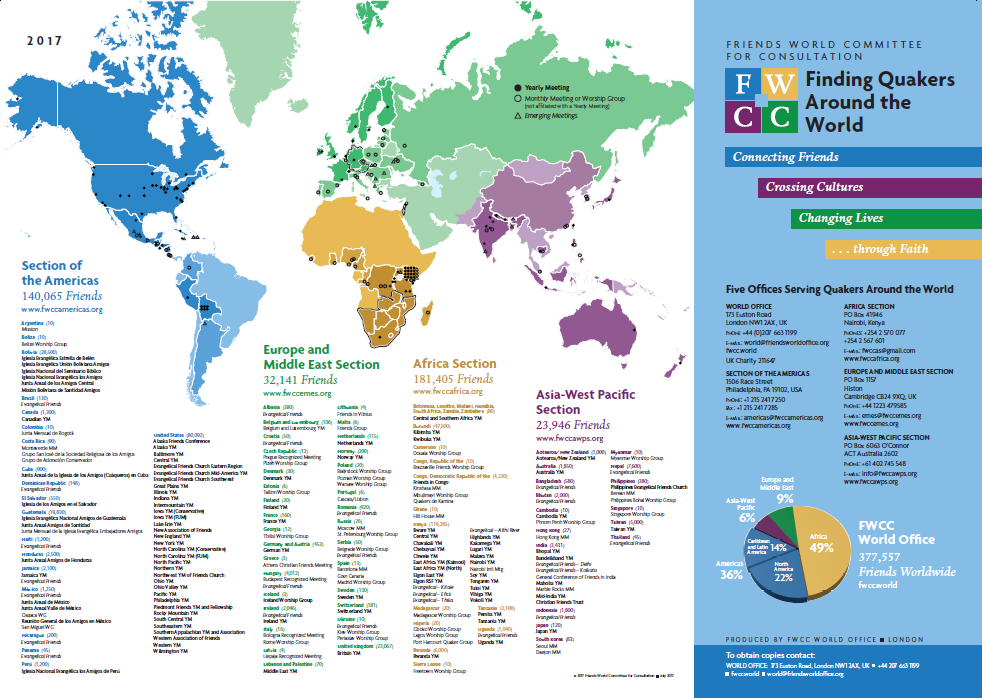
Interactive World Quaker Map Project

Map

Current Project Status: Seeking Proposals

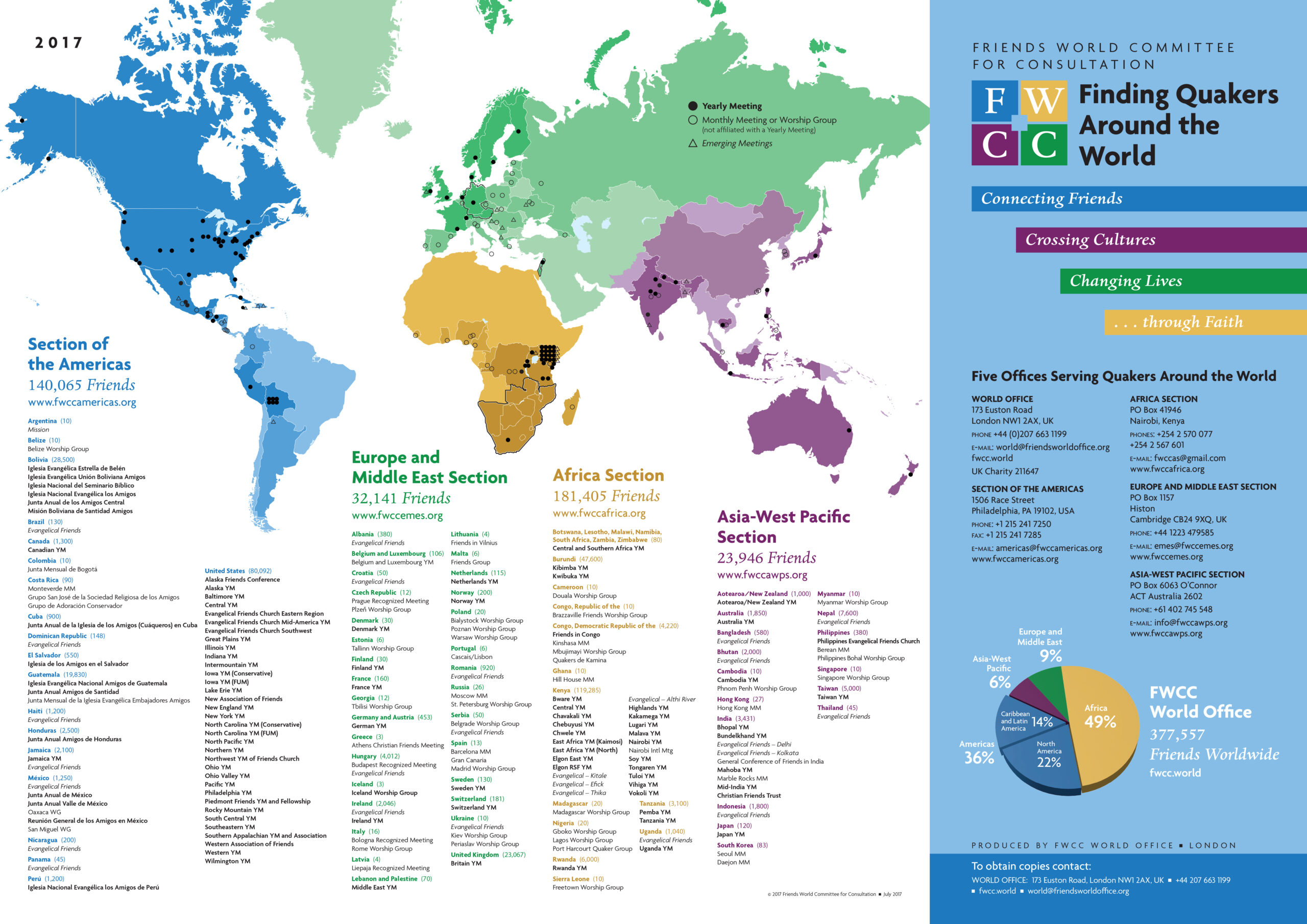
We are accepting proposals in order to find a qualified source to provide a touch screen and mobile-friendly map of all countries where Friends are present, with statistics and stories and the locations of Quaker meetings and churches (and potentially other Quaker institutions), that would be cloud-based and accessible on screens in Quaker lobbies everywhere (including rural areas in developing nations) and websites (our virtual lobbies) so Quakers can find each other and seekers can find Quakers. 

Our goal with the Interactive World Quaker Map is to provide a global answer to the following questions: 

  1. Where is the nearest Quaker meeting?
  2. When is the next online Quaker meeting?

A Midwest Regional Gathering

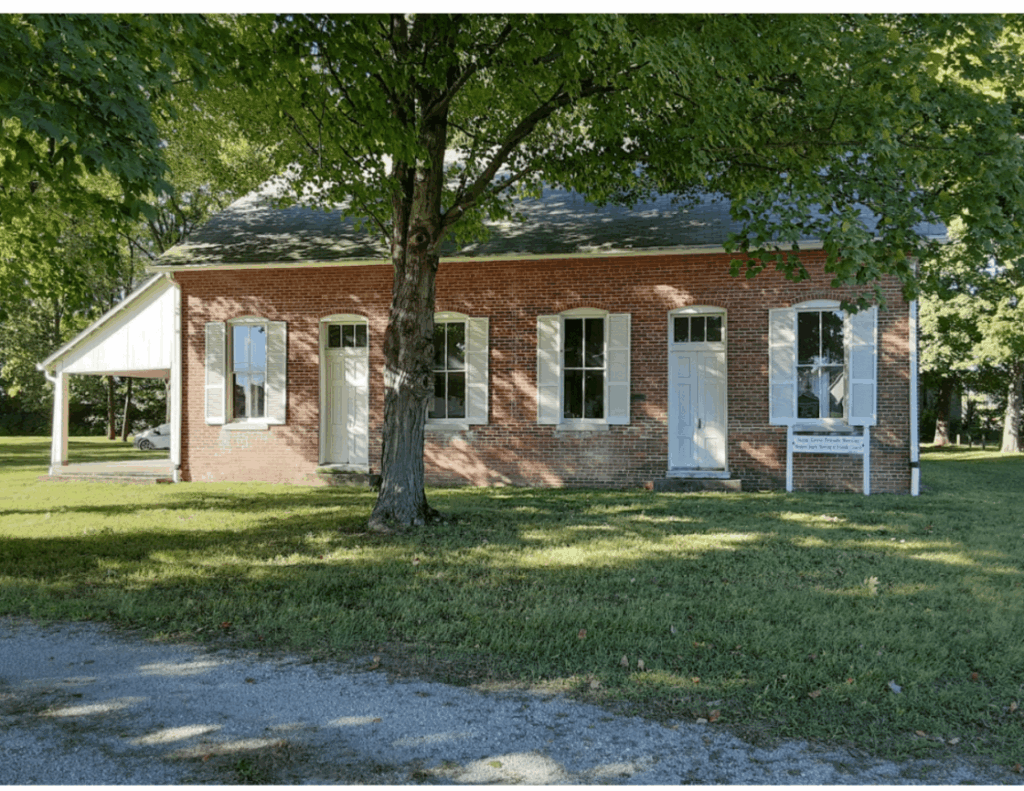
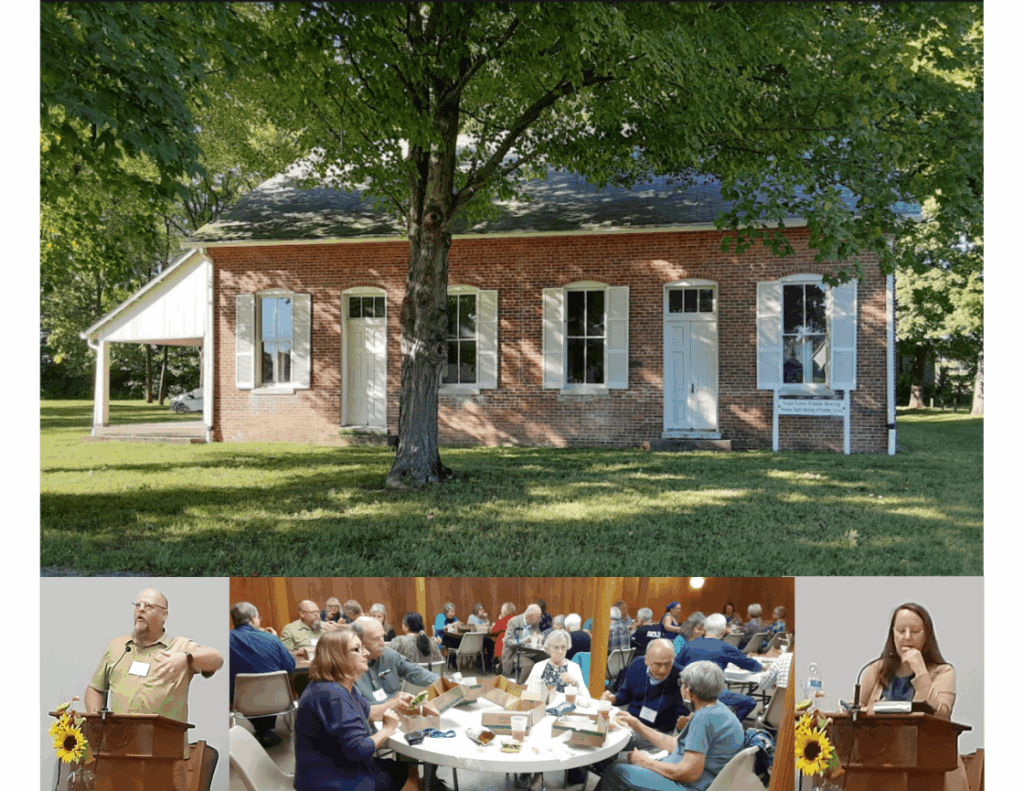
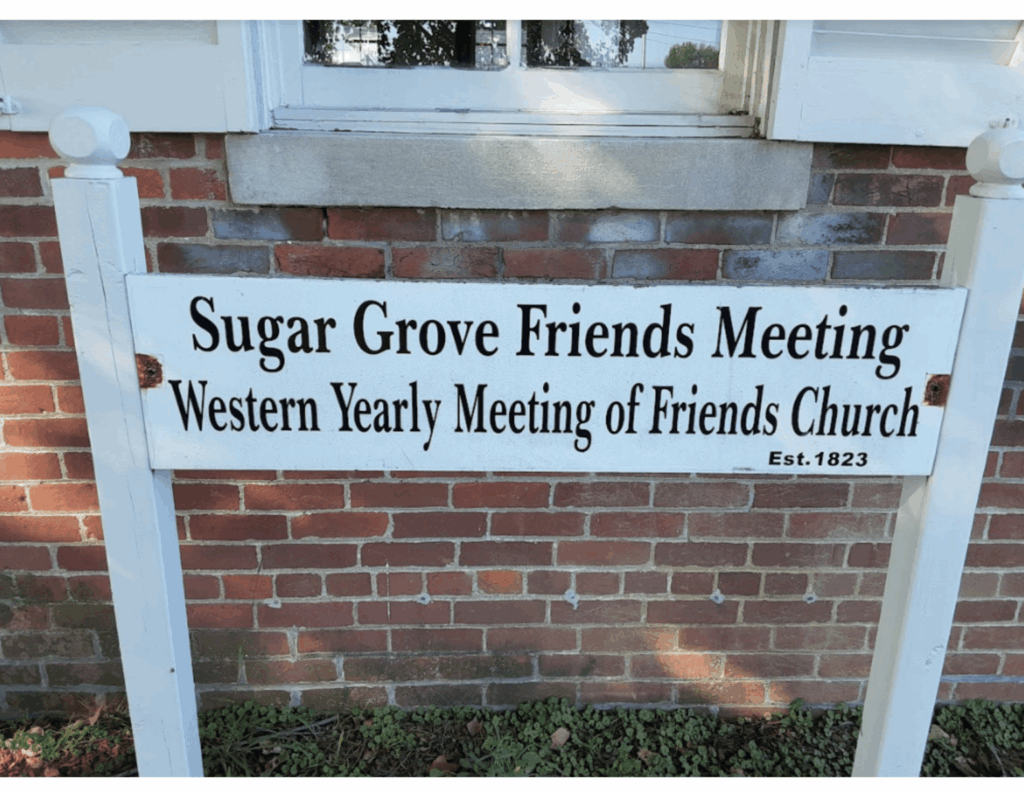
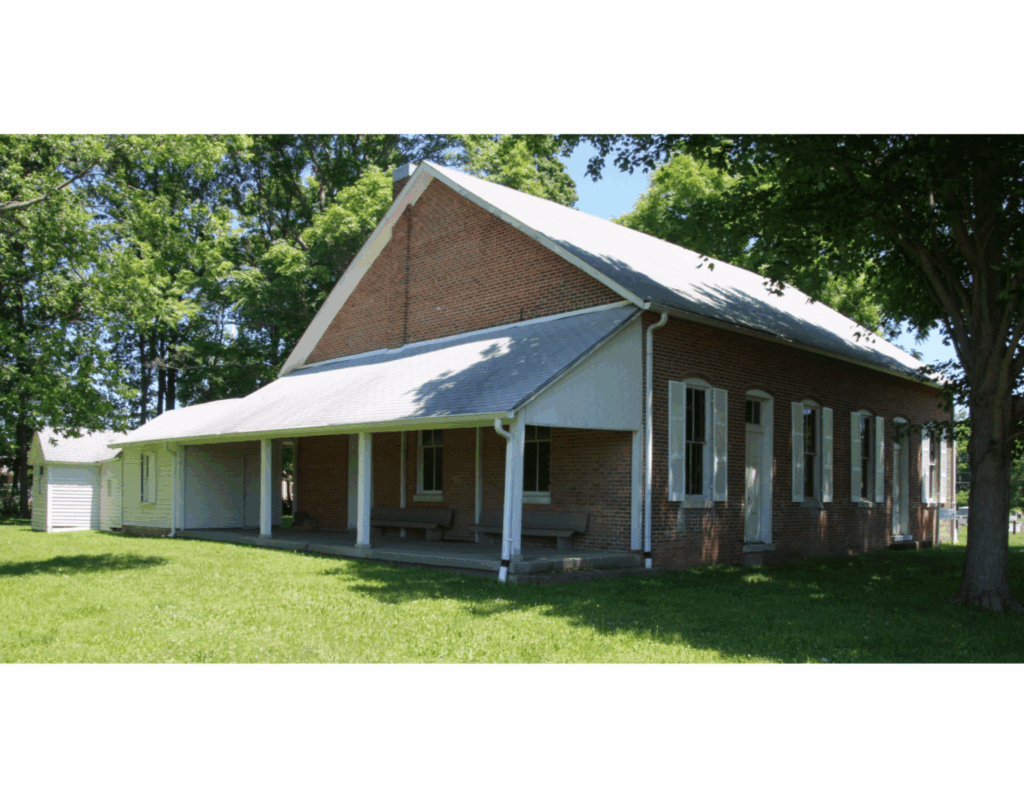
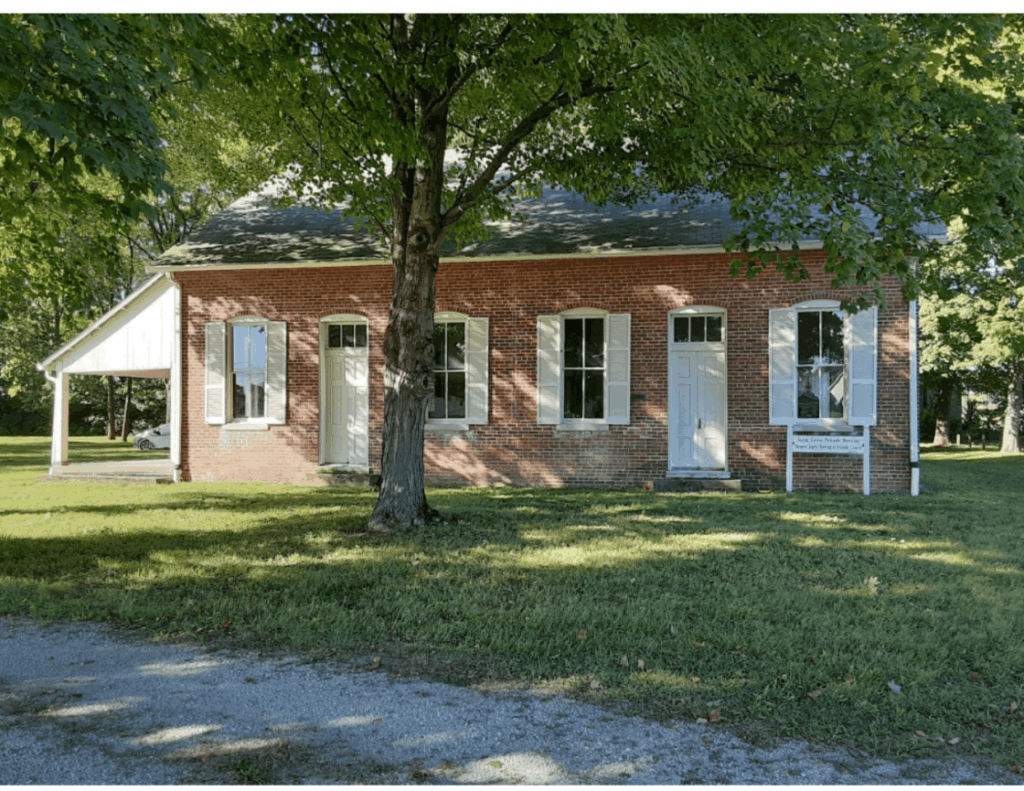
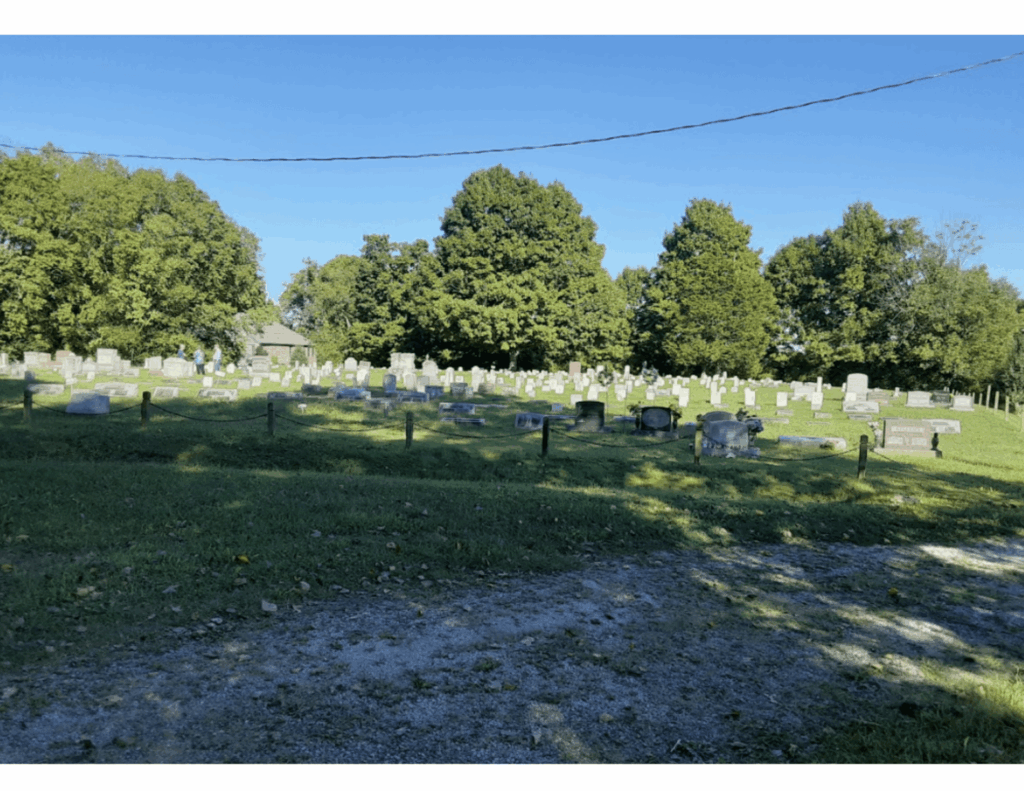
Friends visited Historic Sugar Grove Friends Meeting House in Guilford Township, Hendricks County, Indiana.

by Luanne Hagee

Friends, if there is one thing I have learned the last two and a half years is that I must be patient (near impossible for me) and that patience pays off.

It was way back in March of 2019 during the FWCC-SOA Section Meeting near Kansas City, Missouri members of the Midwest Region (Illinois YM, Indiana YM, Ohio Valley YM, Western YM, the New Association of Friends and Central YM) began a discussion of a possible event/gathering in our Region before the next Section Meeting in 2021. It was suggested that we might hold such a gathering in mid-2020 in conjunction with the annual sessions of one of our Yearly Meetings . . . and then COVID struck, but COVID could not and did not stop us from continuing conversations and planning for a Midwest Regional event/gathering. Lots of emails were sent/received and virtual gatherings were held within the Section.

In April we finally had a location and date secured along with a speaker and a field trip! David Edinger and I discussed options for lunch. In July registration opened and I saw that we had two speakers and a field trip! After I registered I began watching as Friends began to register – it was exciting to see which Friends were going to be attending and anticipating seeing them in person for the first time since the 2019 Section Meeting.

Patience finally paid off . . . and on Saturday, September 24th, 2022, in Plainfield, Indiana over 40 Friends gathered at the Plainfield Friends Meeting on U.S. 40 for the first “post COVID” hybrid FWCC-SOA gathering.

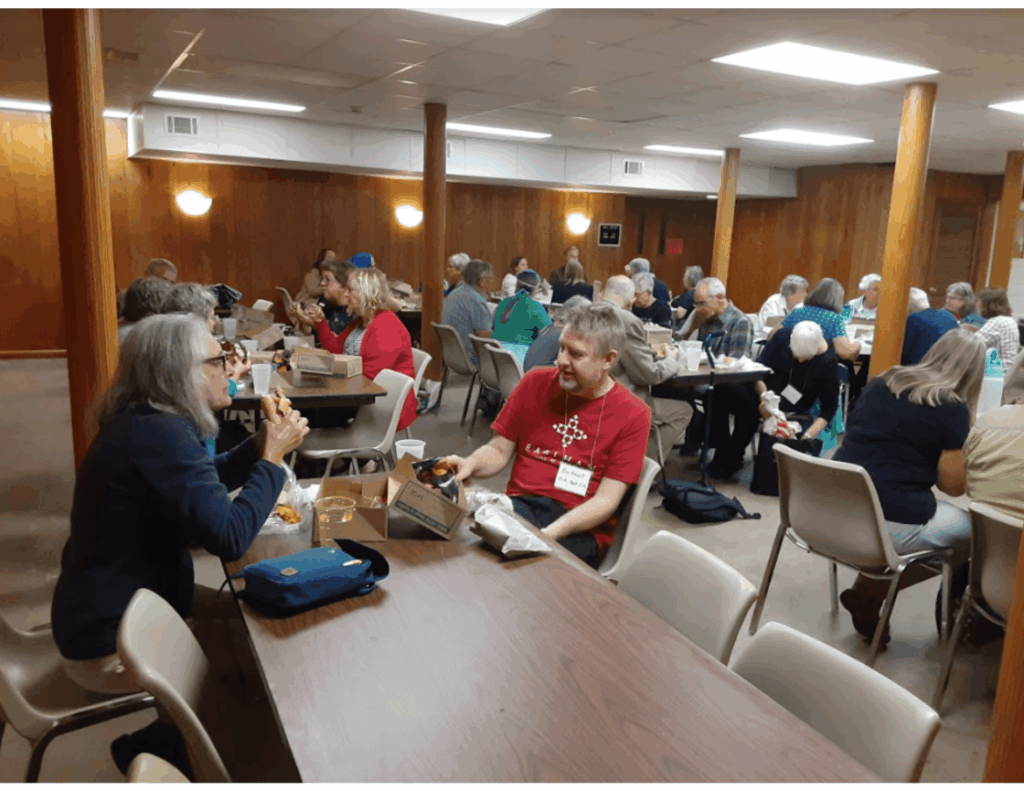
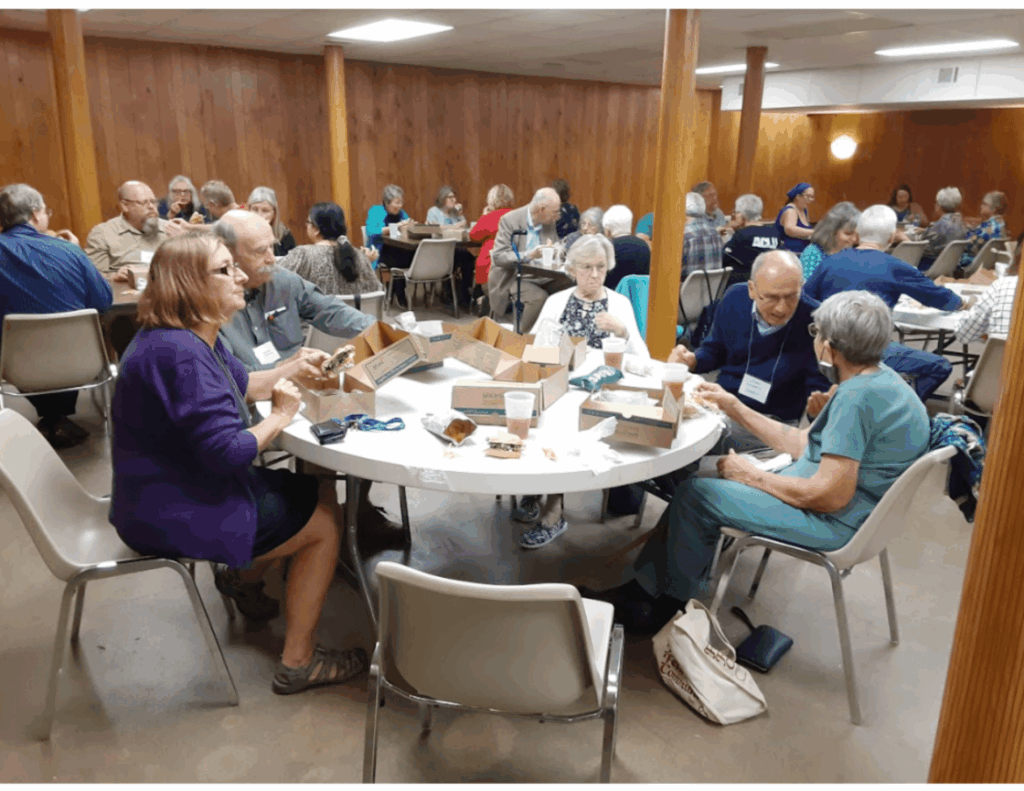
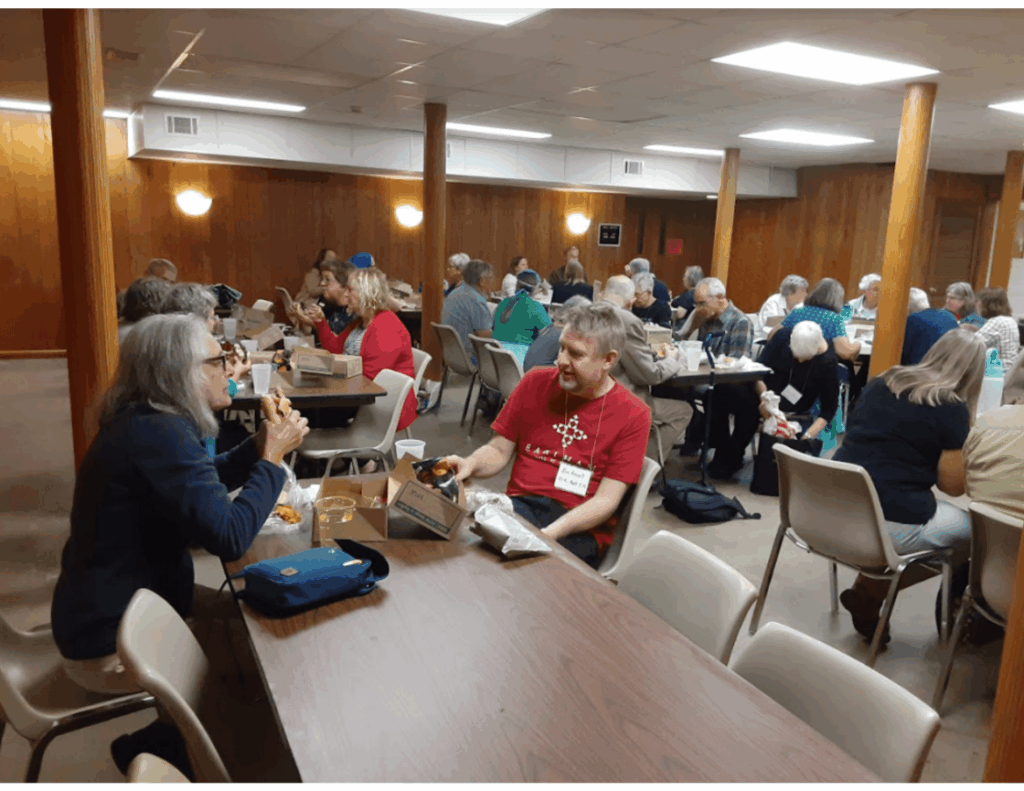
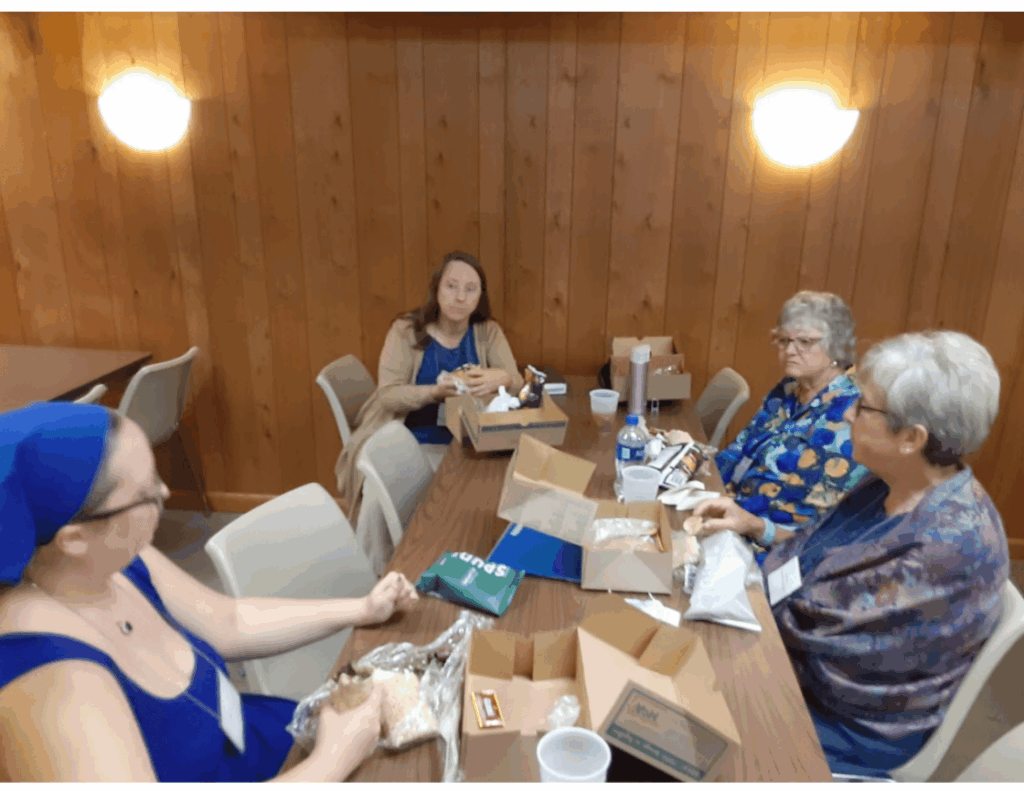
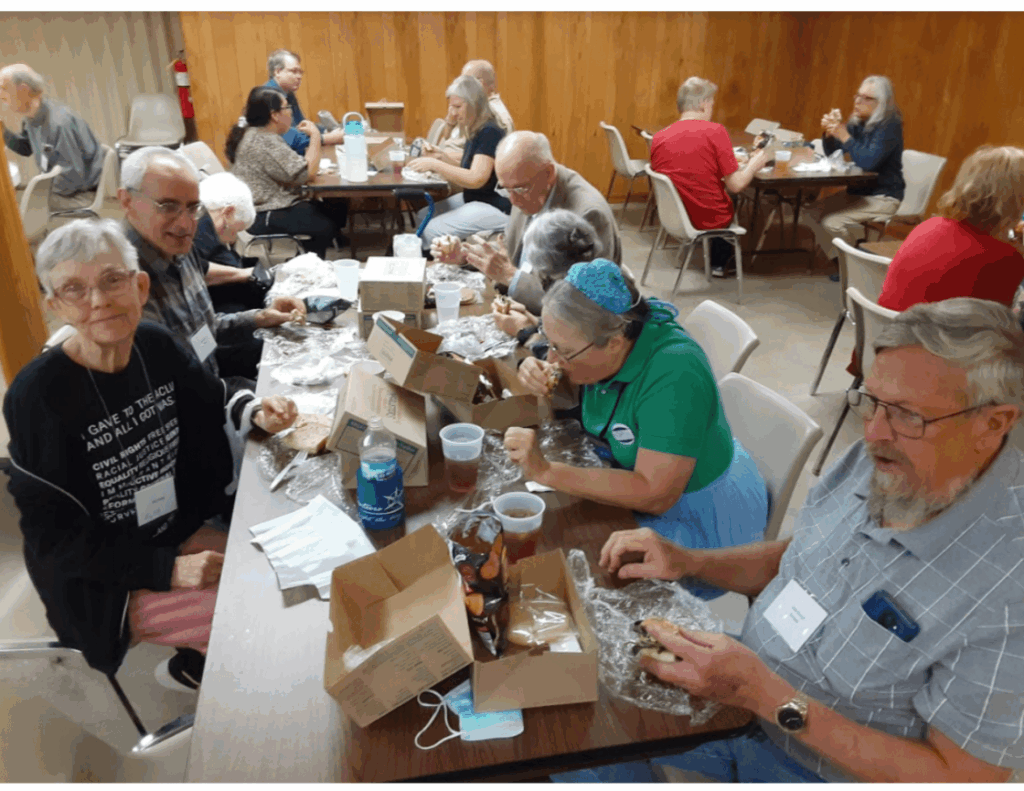
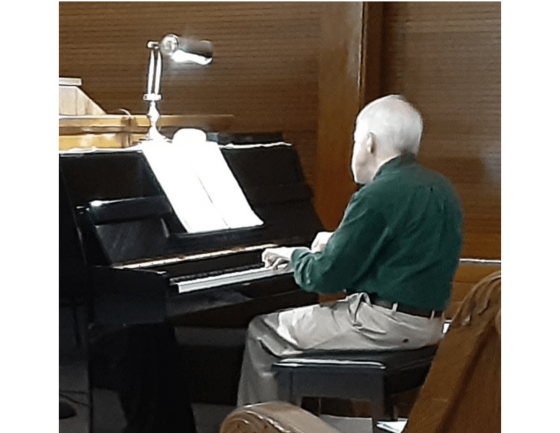
The afternoon began with a brief gathering in the Plainfield Friends Meeting Room then Friends were dismissed to the basement where a variety of box lunches from McAlister’s were available along with lemonade and ice tea. As Friends returned to the Meeting Room they were welcomed with Tom Roberts (Western YM) playing the piano. After a brief welcome to those in attendance both in the Meeting Room and virtually by our Midwest Regional Coordinator, David Edinger, Tom played a couple more tunes for us followed by a period of waiting worship.

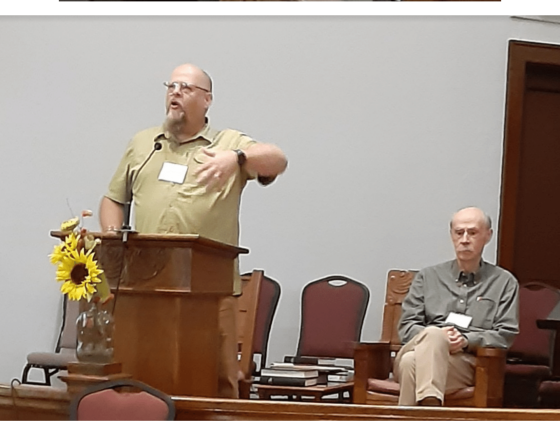
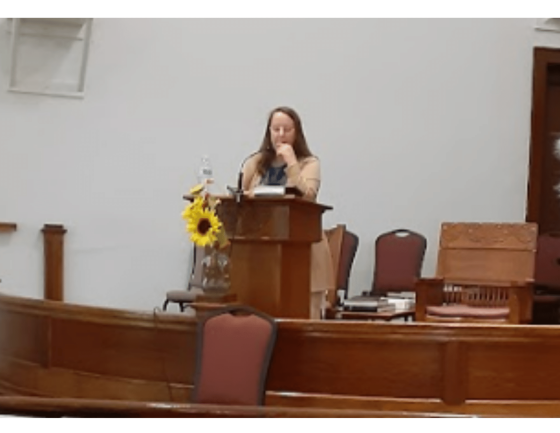
We then heard from two dynamic speakers – Shawn McConaughey, the new Western Yearly Meeting Superintendent, who had been serving on staff with Friends United Meeting in East Africa and Robin Mohr, Executive Secretary of FWCC-SOA. Shawn shared about the work he did while working on staff with Friends United Meeting serving in East Africa and Robin shared the ongoing work of FWCC around the world.

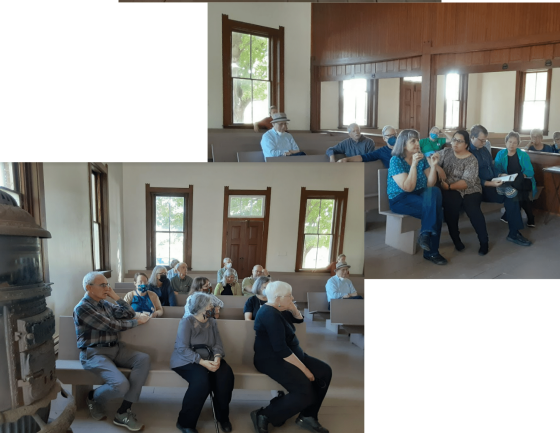
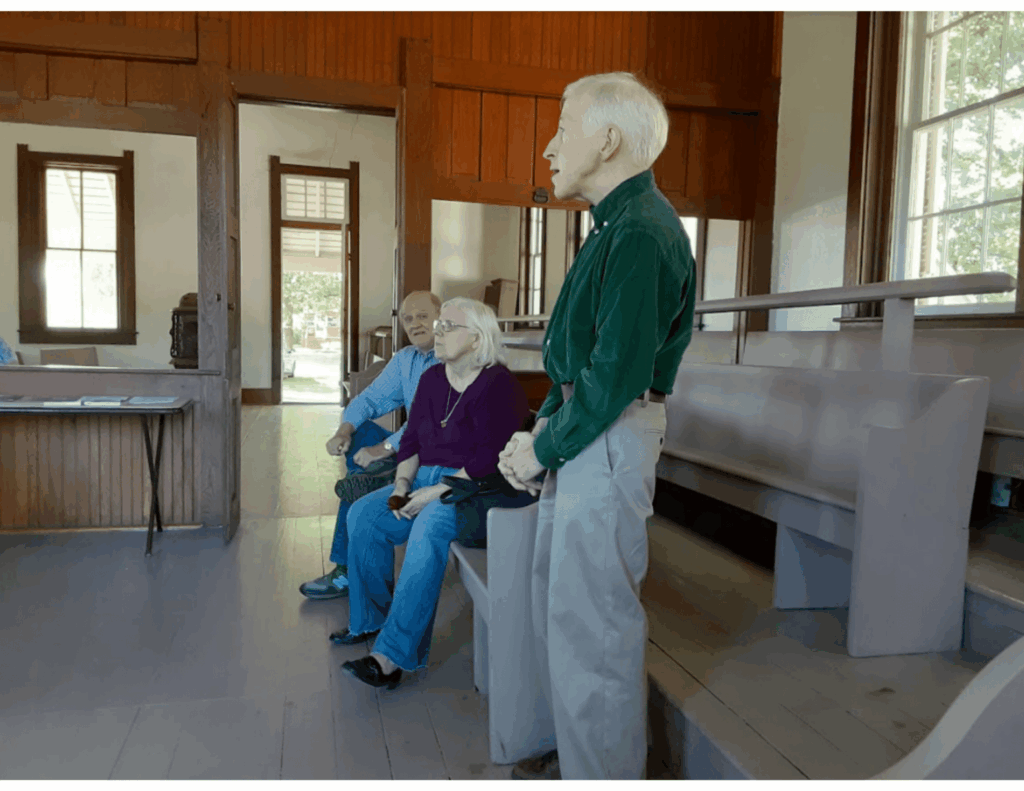
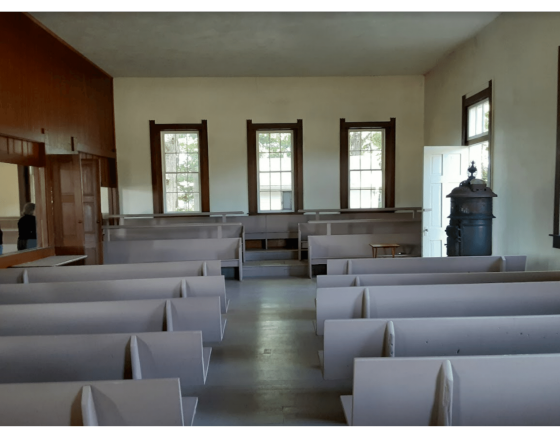
Tom Hamm, archivist at Earlham College, shared with Friends the history of the historic Sugar Grove Friends Meeting House. Sugar Grove Meeting House is currently used by local Friends for Easter Sunrise Service and a group currently meets there once a month on Sunday afternoon for worship in the manner of Friends – unprogrammed worship. The Meetinghouse still has the wooden panels that separated the men and women during Meeting for Worship. Twenty-nine Friends visited the Sugar Grove Meetinghouse where they heard a bit more about the history and how the Meetinghouse is being used today.

I enjoyed seeing so many of my FWCC Friends in person and having the opportunity to have conversations with them face-to-face and not virtually and getting a few hugs as well.

Thanks to Plainfield Friends for sharing their facilities with us, Pastor Cathy Harris, Bill Clendening and Tom Roberts for helping.

The afternoon program speakers and music were recorded and can be viewed at: FWCC Midwest Regional Gathering – 2022 – YouTube

Planning for this gathering began three and a half years ago and was over in the blink of an eye . . . but it was so worth the wait! 

A Midwest Regional Gathering
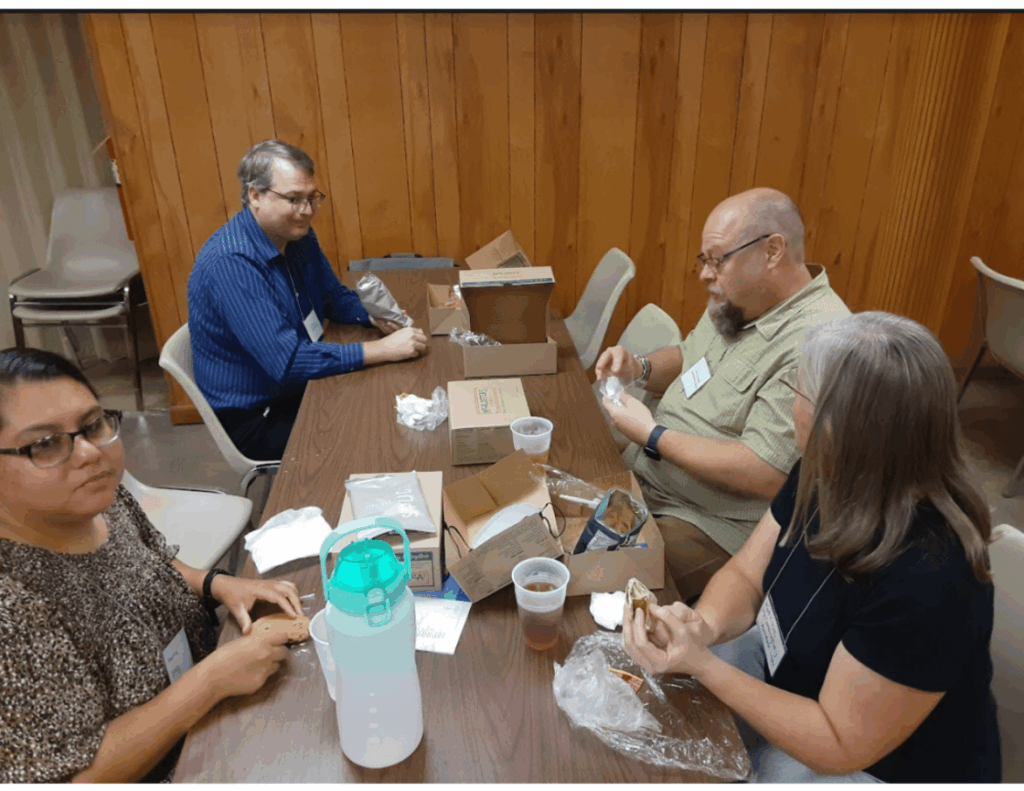
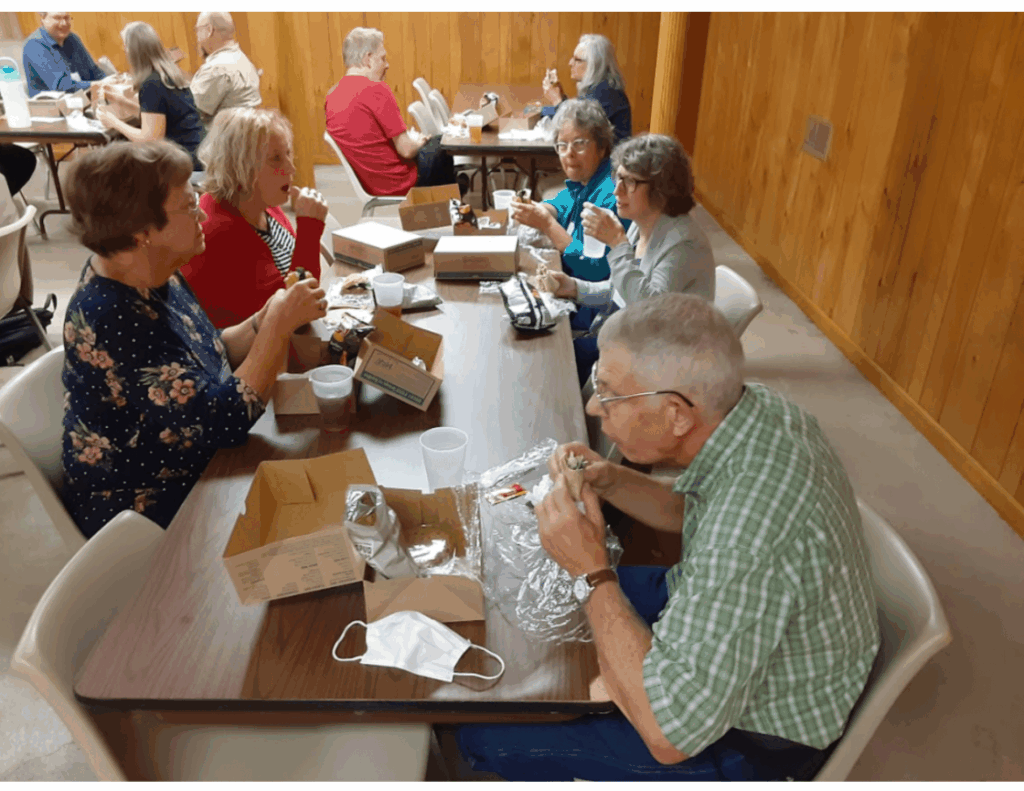
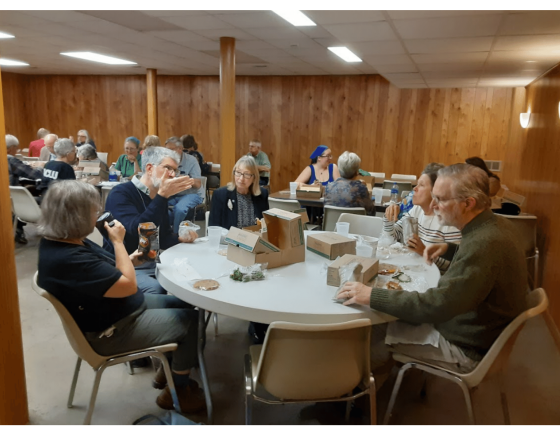
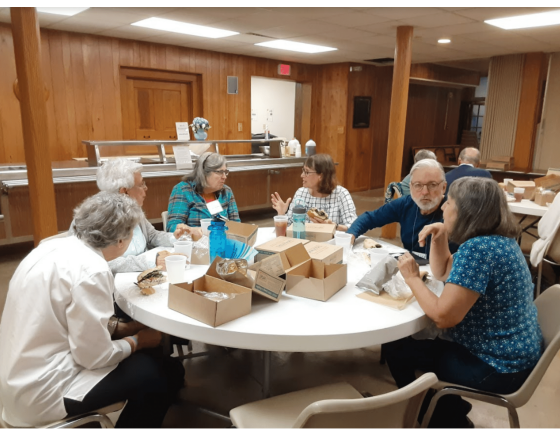
We started with lunch and fellowship
As we entered the room for presentations, Tom Roberts (Western YM) played piano
Shawn McConaughey, the new Western Yearly Meeting Superintendent, who had been serving on staff with Friends United Meeting in East Africa. Shawn shared about the work he did while working on staff with Friends United Meeting serving in East Africa.
Robin Mohr, Executive Secretary of FWCC-Americas shared the ongoing work of FWCC around the world.
Sugar Grove Meeting House is currently used by local Friends for Easter Sunrise Service and a group currently meets there once a month on Sunday afternoon for worship in the manner of Friends – unprogrammed worship.
Tom Roberts shared with Friends the history of the Sugar Grove Friends Meeting House.

FWCC Census of Friends Shows Declines, but More Research is Needed

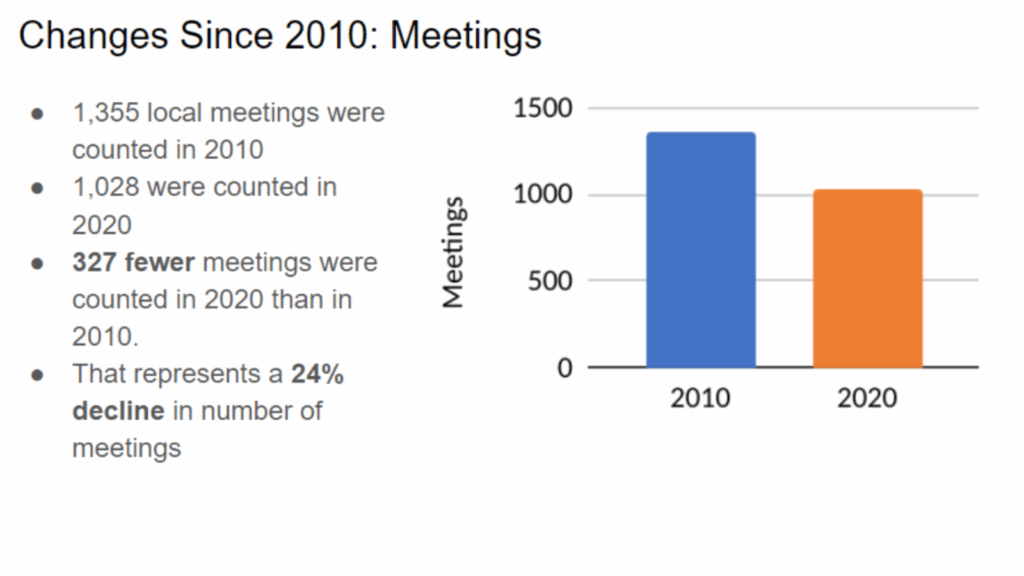
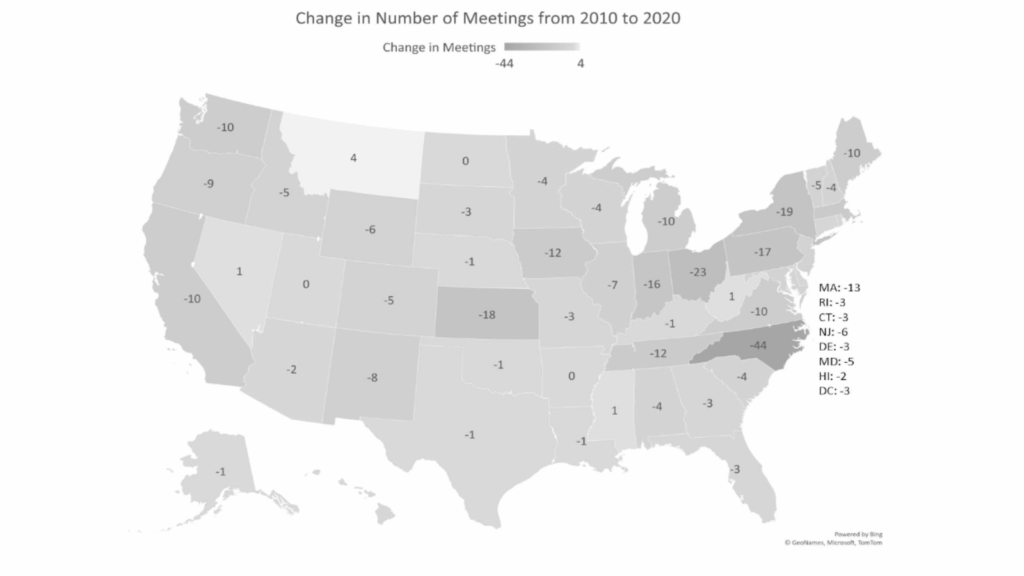
The Friends World Committee for Consultation collects membership data from yearly meetings around the world. Initial research from the most recent 2021 census suggests a decline of 24% in the number of Friends meetings and churches in the United States between 2010 and 2020. In addition, in that 10 year period there was a 12% decline in individual members and attenders, and an undocumented rise in Meetings that have no physical location and are held virtually. 

Every ten years, FWCC Section of the Americas assists the Association of Statisticians of American Religious Bodies (ASARB) to conduct the US Religion Census. This is separate from the federal government’s population census, yet aims to be just as comprehensive in its reporting on religious congregations in the United States. Due to the pandemic, the data collection for the 2020 US Religion Census extended into early 2022.

From November 2021 until January 2022, FWCC gathered data on Friends of all branches throughout the United States. When possible, we received data on local congregations from the Yearly Meeting to which they belong. When that proved difficult, we contacted the local meetings themselves. Among the data we requested were counts of members and attenders. Some meetings reported both of these figures; some only reported one or the other. Some meetings didn’t report any figures at all.

So, here are the important things to keep in mind as we look at this data:

  • While we did our best to contact Friends, there may be congregations that were not counted. 
  • Much of the data we collected came from Yearly Meeting offices. In some cases, local congregations hadn’t submitted updated counts to those offices for a year or two.
  • Among some Yearly Meetings that have split in the past ten years, we encountered some confusion about who was keeping track of membership data. We noticed that some meetings we know still exist weren’t reported at all.
  • FWCC plans to continue this research and analysis in the coming year.

With those things in mind, here is a comparison of the 2010 and 2020 counts for Meetings:

FWCC is raising funds to further this work, identify trends, and build new online resources for Friends. In order to promote healthy growth in the future, Quakers need to understand our truth today. 

A version of this article will appear in New York Yearly Meeting’s Spark to be released in September. 

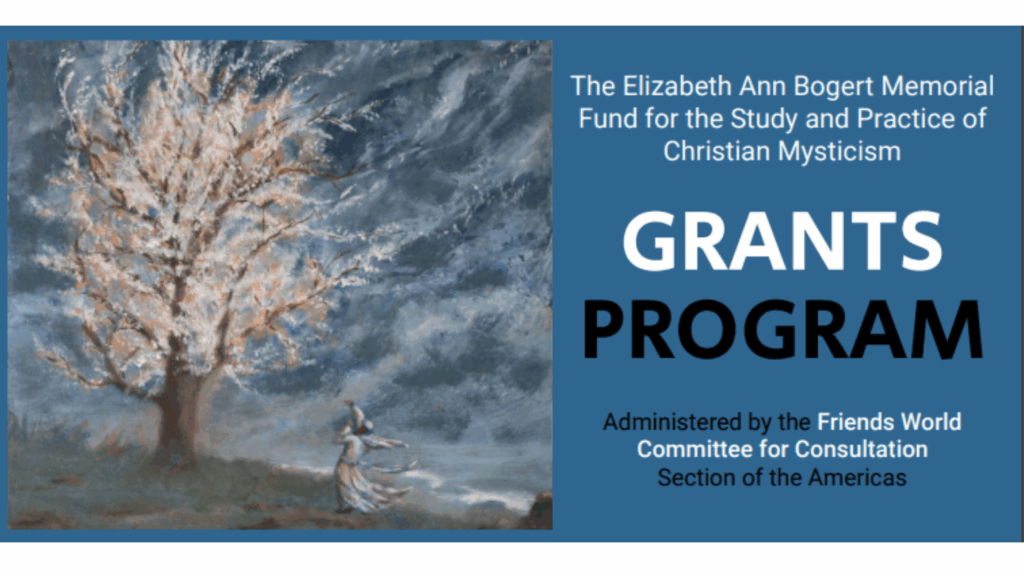
Bogert Fund Announces 2022 Grant Recipients for Christian Mysticism Programs

The Kairos experience these retreatants found so meaningful was led by Francisco Burgos, Pendle Hill’s Executive Director, and held virtually August 20-23, 2020. A substantial part of the funding was provided by the Elizabeth Ann Bogert Memorial Fund for the Study and Practice of Christian Mysticism (Bogert Fund), which is administered by the Friends World Committee for Consultation, Section of the Americas (FWCC Americas).

The annual Pendle Hill Kairos retreats have received such positive responses that the Bogert Fund has helped fund several of them, including in 2022. This year’s retreat is scheduled for July 29-31 and will take place in person on Pendle Hill’s campus in Wallingford, PA. Again led by Francisco Burgos, it will include “extended periods of intentional silence, contemplative reflection on Biblical texts, walking meditation, worship sharing, group chanting/singing to support centering prayer, and individual guidance.” The $1,000 grant from the Bogert Fund will support scholarships and program subsidies so the program is affordable to more potential participants.

The purpose of the Bogert Fund is to support the study and practice of Christian mysticism. Recognizing the rich variety of mystical experience within Christianity, the Bogert Fund understands the mystical element in Christianity to be that aspect of its belief and practices that relates to an immediate and direct sense of the presence of the Divine. The Bogert Fund seeks to further both experiential and scholarly exploration of Christian mysticism.

In 2022, the Bogert Fund also gave grants of $1,000 each to Quaker Earthcare Witness (QEW) for virtual Exploring Eco-Spirituality workshops and to Forward in Faithfulness for a Supporting Mystics workshop. Quaker Earthcare Witness seeks to engage new audiences and link eco-spirituality “to the realities of these pandemic times of climate crisis, economic inequality, threatened democracy, and structural racism in an accessible and embodied way.” Hayley Hathaway, QEW’s Communications Coordinator and an experienced workshop leader, will use the Bogert Fund grant to research the foundations of eco-spirituality, plan the workshop, create marketing materials, and offer the workshop virtually to Friends.

Forward in Faithfulness is a ministry of faithfulness, revitalization, and deep listening offered by Johanna Jackson and JT Dorr-Bremme, who carry a Letter of Introduction from Upper Susquehanna Quarterly Meeting in Philadelphia Yearly Meeting. The Supporting Mystics workshop they are planning with partial funding from the Bogert Fund will be offered initially to a network of some twenty younger Quaker mystics with whom they have worshiped and who carry gifts of healing, discernment, eldering, prophecy, gentleness, and service. The workshop is designed to encourage a mutually supportive sense of belonging and allow space for participants to share prayer requests and stories about their mystical experiences and practices, including those of transformation.

While all the 2022 grants went to Quaker organizations for experiential programming, the Bogert Fund also supports academic research related to Christian mysticism and provides grants to applicants of many faiths. In 2020 the Bogert Fund helped further research for a book on the mystic Thérèse of Lisieux. The grant recipient, a Sister of the Order of Julian of Norwich, wrote, “I was able to purchase several books which helped directly with this project…. I have been thrilled to find some excellent, very new French scholarship….” The literature she discovered proved useful in furthering the writing of her book.

The Bogert Fund was established in 1983 in memory of Elizabeth Ann Bogert who, while reading William James’s The Varieties of Religious Experience, had a powerful, profound change of consciousness that transformed her life. Previously self-centered, she became sensitive to other’s needs, enrolled in a theological school, and became a Congregational minister and prize-winning painter of mystical scenes. Walter Houston Clark, one of her professors who became her counselor and friend, played a key role in founding the Bogert Fund and working with FWCC to set up its administration. Today, as from the Fund’s inception, a board of five members, three of whom are Quakers, makes decisions regarding grants at their annual meeting in May.

For information on applying for a grant, please see the brochure, available via a link from FWCC’s Our Work webpage. The deadline for 2023 grants is March 1, 2023. Please share this information with scholars, retreat leaders, or anyone you believe might be interested.

FWCC-COAL Report on Working with Right Sharing of World Resources

by Karen Gregorio de Calderon, Coordinator for COAL-FWCC

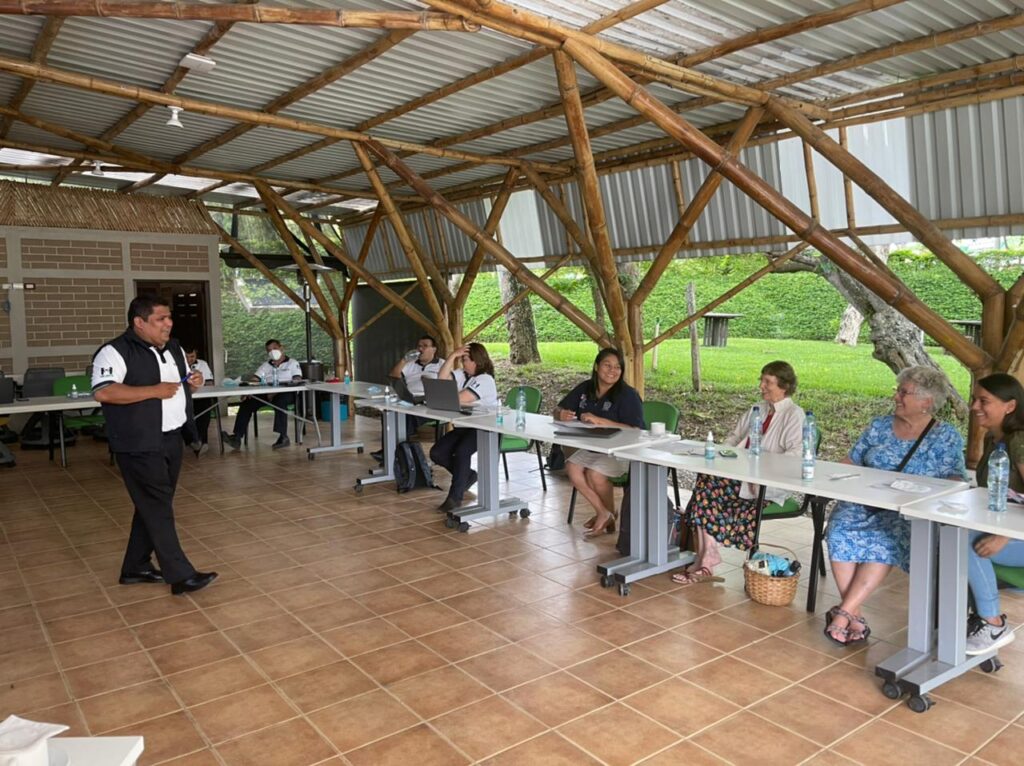
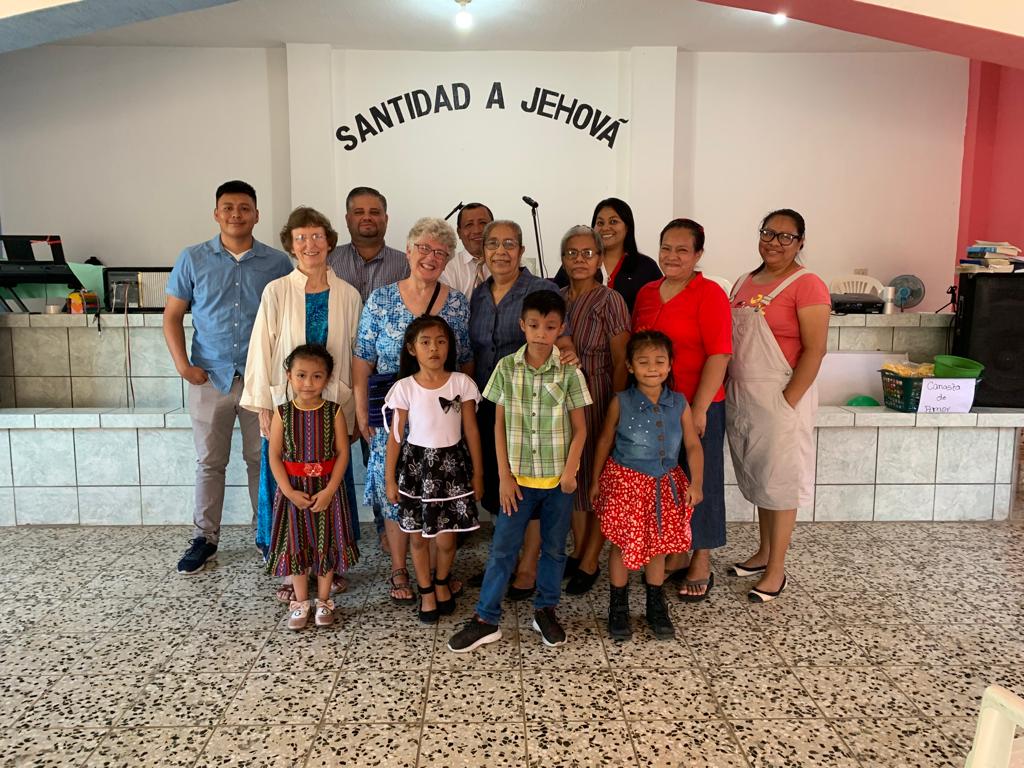
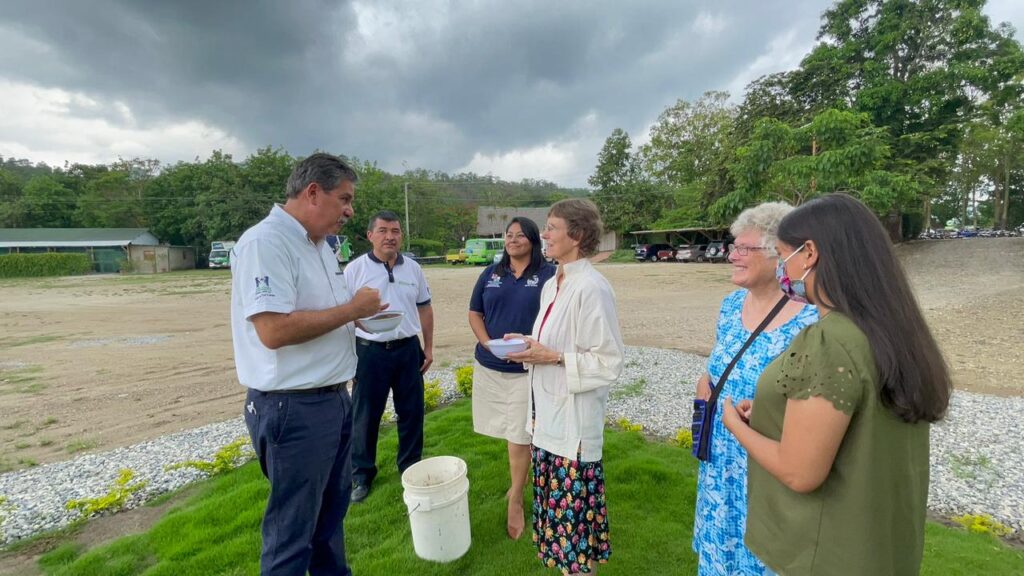
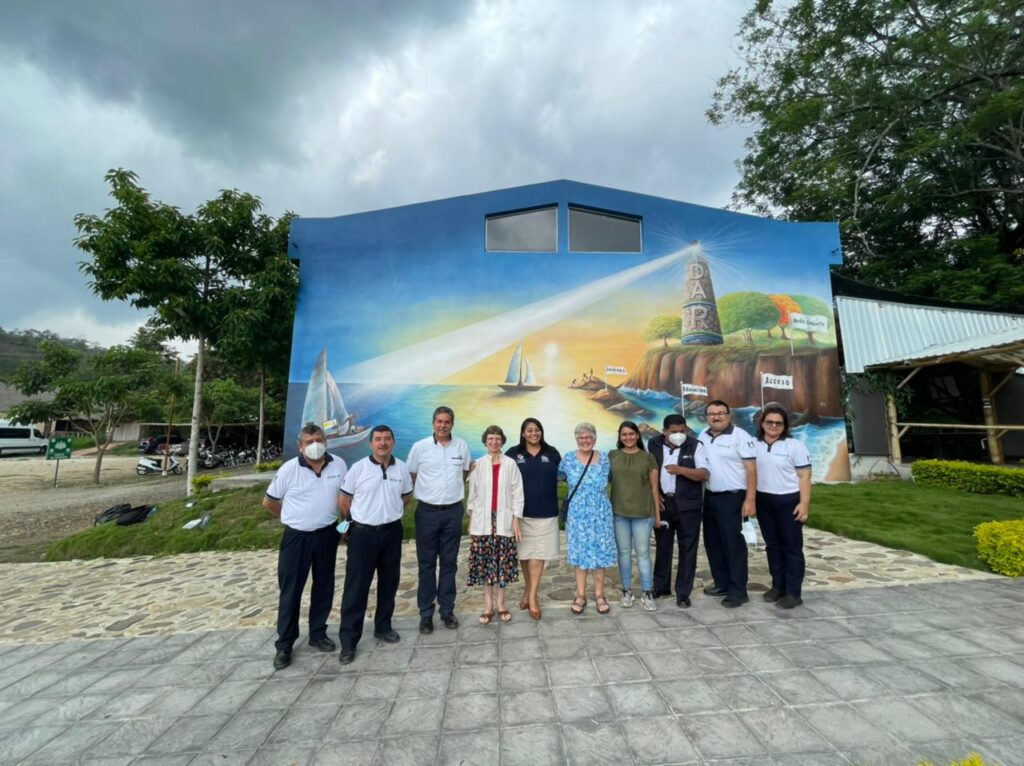
Right Sharing of World Resources (RSWR), a Quaker nonprofit, came to Guatemala from May 23-29, 2022 to investigate the potential for doing projects in Latin America and using Guatemala as a pilot project. For FWCC-COAL, it was beneficial for us to be a part of the working process for this visit because one of our objectives is to work on joint projects with a community improvement focus with Quaker organizations that wish to do this work in Latin American countries.

RSWR was for many years a program of the Friends World Committee for Consultation, but has now been an independent organization for over 20 years. RSWR works with marginalized women, offering them seed capital so that they can start their own businesses and become productive women, thus changing the lives of themselves and their families. This project would bring great benefits to the people of Guatemala. 

How would work be done in Guatemala?

RSWR would work in conjunction with the COOSAJO Savings and Credit Cooperative located in Esquipulas, Chiquimula in eastern Guatemala. With this institution, the pilot project could be executed in the eastern region of the country. The staff of the Cooperative had the opportunity to learn who Quakers are worldwide and the work that Quakers do.

It is important to emphasize that the cooperative already carries out community work in the region with women, the pilot project would be a further development of their work. Two field technicians would be hired, who would form and train the women’s groups and accompany them in their training process, which is similar to RSWR’s work in Sierra Leone and India.

What activities were carried out during the visit?

  • Meetings with the management of the Guatemalan institution COOSAJO, to learn more about its work, its achievements and its values.
  • Meeting with the middle managers of the institution to share information about the projects and both organizations.
  • Meeting with the COOSAJO Board of Directors. We introduced FWCC and RSWR.
  • Meetings with leading employees of the institution: To learn about their testimony, their achievements and how the institution has been part of the change in their lives with the value of inclusion of women.
  • Field visits to the villages, where we were able to share with women who need to be taken into account and be benefited.
  • Meeting with young women leaders: to learn about the work COOSAJO has done with them, providing study scholarships, scholarships to study English, etc.

What did COAL-FWCC contribute during the RSWR visit to Guatemala?

  • Lodging
  • Food for two people.
  • General orientation on the region to be worked in (Statistical data and cultural information)
  • General information on Quakers in Guatemala, how they are organized and where they are most concentrated in the country and how Quakers work in this area.
  • Review of the information in PowerPoint and translation of the same, to present it in Spanish to the organization. Focus on the objectives with correct Spanish vocabulary.
  • Intervention in meetings, when it was necessary to make the idea of ​​RSWR clear.
  • Support in decision-making processes when help was required.
  • Clarification of ideas
  • Accompany RSWR in each planned meeting, to support them in these processes (with the language, with small translations, synthesize the information, etc.)
  • Lead and facilitate scheduled meetings, to obtain the necessary information from each group.
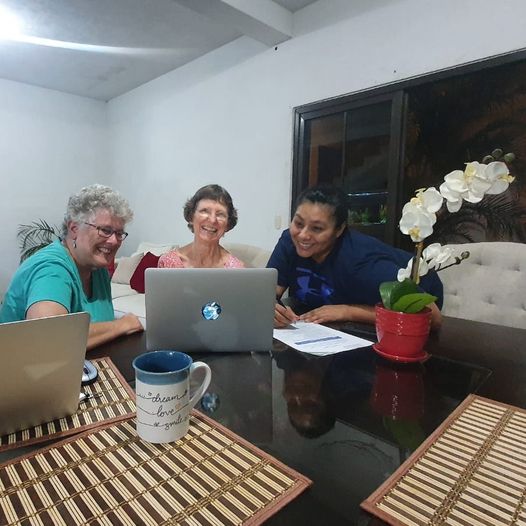
  • Work meetings (RSWR-FWCC-COAL) at the end of the day to draw conclusions and learn from each scheduled activity.
  • Coordinate and manage meetings with Quakers in the region
  • Coordinate visits to the churches in the region
  • Coordinate a visit to the largest Friends campus in the Region. National Friends Church.
  • And the most important thing is that due to the support that can be provided by COAL and the Quakers in the region, Guatemala is a potential country for RSWR to start a pilot project in Latin America and that could later be extended to other countries.

What benefit do local Quakers have with this project?

  • Job opportunity: One of the benefits is that they will be considered in the process of hiring field facilitators. In other words, when the call to hire people is launched, it will also be sent to the Quakers in the region so that they can apply.
  • Opportunity for the women of our churches: The women of our Friends Churches will also have the opportunity to be taken into account, to provide them with seed capital, according to the RSWR processes.

What did COAL achieve during the RSWR visit?

  • First, connecting the affiliated and non-affiliated yearly meetings.

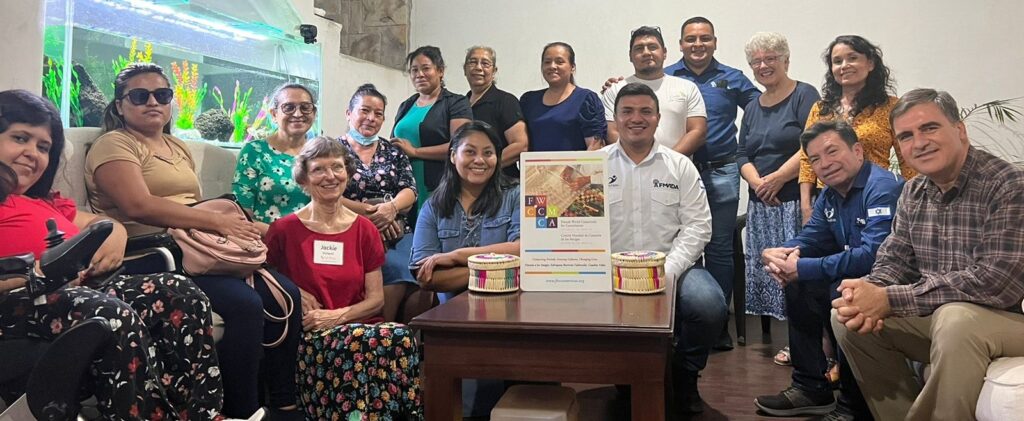
During RSWR’s visit, representatives and leaders from our affiliated and unaffiliated Yearly Meetings were invited to a meeting. At the meeting, the work of FWCC, the work of COAL, the future plans and an invitation to work together were announced. In addition, the RSWR project was presented to them, as a fulfillment of the mission and objectives of FWCC, making our slogan a reality: Connecting friends, crossing cultures and changing lives. This meeting was fruitful; we were together in harmony sharing the love of God that unites us.

 Among attendees were:

  • Ambassadors Friends Monthly Meeting, represented by Susy Ramirez
  • Holiness Friends Yearly Meeting: With the participation of two representatives to FWCC, Teresa de Hernandez and Abner Garcia. In addition, 4 women leaders from the different churches of the yearly meeting participated.
  • National Friends Church: It was represented by its president Rigoberto Vargas and by 3 more members of one of the churches. That they are also part of the Shalom Jiréh Organization, who distributed the funds that FWCC collected, for the victims of Hurricanes Eta and Iota
  • We also achieved the participation of two disabled women entrepreneurs, who have not been supported by other organizations.
  • Total, we achieved attendance of 16 people.

All attendees were pleased and grateful for having been invited to the meeting and expressed their desire to be taken into account in the process of this project or others that we can work together as a region and as a church through FWCC.

What potential do we have after the RSWR visit to develop other projects with the Guatemalan institution COOSAJO for the benefit of local Quakers and society in general?

  • The institution has community development programs, with established processes.
  • Provide entrepreneurship training
  • They carry out projects to take care of the environment
  • They design training processes according to the needs of the projects to be worked on.
  • Provide scholarships to people with limited resources.
  • They have an agreement with the US embassy for young people who want to study English in a free program. This with the purpose of curbing migration, since Chiquimula is a department bordering Honduras and El Salvador vulnerable to the formation of migrant caravans. There are many bilingual youth who benefited from these programs.
  • Recruit new interpreter volunteers who already have command of the English language and who serve as interpreters among the international cooperatives.

Conclusions:

  • FWCC has the opportunity to start a closer relationship with this institution and manage benefits that are possible for our Quaker community. In this way, achieve that the yearly meetings have something in common and gradually break down the communication barrier between them.
  • An important point to emphasize is that the yearly meetings are interested in working together on projects for the benefit of the community.

[Translation by Diane Zappas and Robin Mohr]

Search for new General Secretary for the World Office

Gretchen Castle, FWCC General Secretary, steps down after eight years of service.

It’s with heavy hearts that we are sharing the news that Gretchen Castle, who has been FWCC’s General Secretary in the World Office in London since 2012, is stepping down.

Read Gretchen’s reflection on her time at FWCC to Friends worldwide.

Read the FWCC Clerk’s, letter of acknowledgement of Gretchen’s resignation.

To find the job description, and application process for the next General Secretary, see our General Secretary Search.